You sit down for a meal expecting to feel more energized. But instead, within minutes, you feel heavy, foggy, and tired. If you’ve ever wondered why you feel sleepy after eating, you’re not alone. Many people experience this—even after what they believe is a healthy meal.
Feeling tired after eating can be due to several reasons. Digestion requires energy, blood sugar levels shift, and hormones change once food enters the bloodstream. These processes are normal, but sometimes they can leave you wondering why your energy drops after a meal instead of rising.
Occasional tiredness after a large meal is common. But if you regularly feel this way, it may signal that digestion, blood sugar balance, or stress levels need more support.
Understanding what happens inside your body after eating can help you make small adjustments that improve digestion and keep your energy steady throughout the day.
Why Do I Feel Sleepy After Eating?

Feeling tired after eating often happens because your body shifts its focus to digestion. Once you eat, your body begins breaking down food, absorbing nutrients, and managing blood sugar levels. All of this requires energy, which is one reason some people notice fatigue after meals.
During digestion, your body redirects more blood to your stomach and intestines to support the breakdown and absorption of nutrients. As a result, there’s temporarily less blood available for other areas, including the brain. This shift can make you feel sleepy after eating, which many people notice as post-meal fatigue.
Hormones also influence how you feel after a meal. When you eat, the pancreas releases insulin to move sugar from your bloodstream into your cells. This process changes the balance of certain amino acids in the blood, allowing more tryptophan to reach the brain. Tryptophan is then converted into serotonin and melatonin—two compounds that promote relaxation and sleepiness.
These changes help explain why many people feel tired after meals. For most, it’s simply the result of digestion, hormone shifts, and changes in blood sugar levels.
When digestion is working efficiently, this tired feeling is usually mild and temporary. However, if you consistently feel worn out after eating, it may be a sign that digestion is under strain. Over time, this pattern can lead to what some practitioners describe as digestion fatigue, in which the body expends more energy processing food than it should.
What Causes Sleepiness After Eating?

Several factors can make you feel tired after eating, and often it’s a mix of processes in your body. Digestion uses energy, hormones change after you eat, and your blood sugar rises and falls. All of this can lead to the tired feeling many people get after meals.
It’s normal to feel fatigue after meals sometimes. But if it happens a lot, it could mean your digestion, blood sugar, or the types of meals you eat are putting extra stress on your body. Knowing these causes can help explain why you might always feel your energy drop after eating.
Hormonal Changes After Eating
Hormones released after you eat also play a part in feeling tired after eating. When you eat carbohydrates, your blood sugar rises and your pancreas releases insulin to move sugar into your cells. This process helps explain the post-meal energy dip many people notice.
Insulin changes the balance of amino acids in your blood, allowing more tryptophan to reach your brain. Tryptophan is then converted to serotonin and melatonin, which promote relaxation and sleepiness.
Large or Heavy Meals
The size of your meal also affects your energy. Large or heavy meals make your body work harder to digest, which uses more energy and can lead to digestion fatigue. If you often eat large meals, you might notice more tiredness after eating, especially if your digestion is already sensitive or stressed.
Digestive Stress and Digestion Fatigue
For some people, feeling sleepy after eating is linked to what some experts call digestion fatigue. Digestion fatigue occurs when your digestive system must work harder than usual to process food, often due to factors such as poor digestion, food sensitivities, ongoing stress, or gut health problems. When this occurs, your body uses more energy to break down food, leaving less available for mental alertness and overall energy. If you keep feeling fatigue after meals, it could be a sign that your digestion needs extra support.
How Blood Sugar Levels Affect Your Energy After Eating

Changes in blood sugar are a common reason people feel sleepy after eating. When you eat, especially foods high in carbs or sugar, your blood sugar rises as your body absorbs them.
Your pancreas releases insulin, which helps move sugar from your blood into your cells, where it can be used for energy or stored. This keeps your energy steady, but if your blood sugar spikes quickly, your insulin also rises sharply, sometimes leading to a rapid drop in blood sugar—a blood sugar crash. This explains why people often feel fatigue after meals or wonder, ‘Why am I tired after eating?’ especially after consuming lots of sugar or refined carbs.
For some people, this can cause a quick drop in blood sugar after it rises. This is called a blood sugar crash. When your blood sugar falls too fast, your brain gets less steady fuel, which can make you feel tired, foggy, irritable, or unable to focus.
If your blood sugar keeps fluctuating, you might feel fatigue after meals more often. Meals lacking protein, fiber, or healthy fats can cause these swings, leaving you sleepy after eating. Balanced meals help prevent this.
Foods That Can Make You Sleepy After Eating
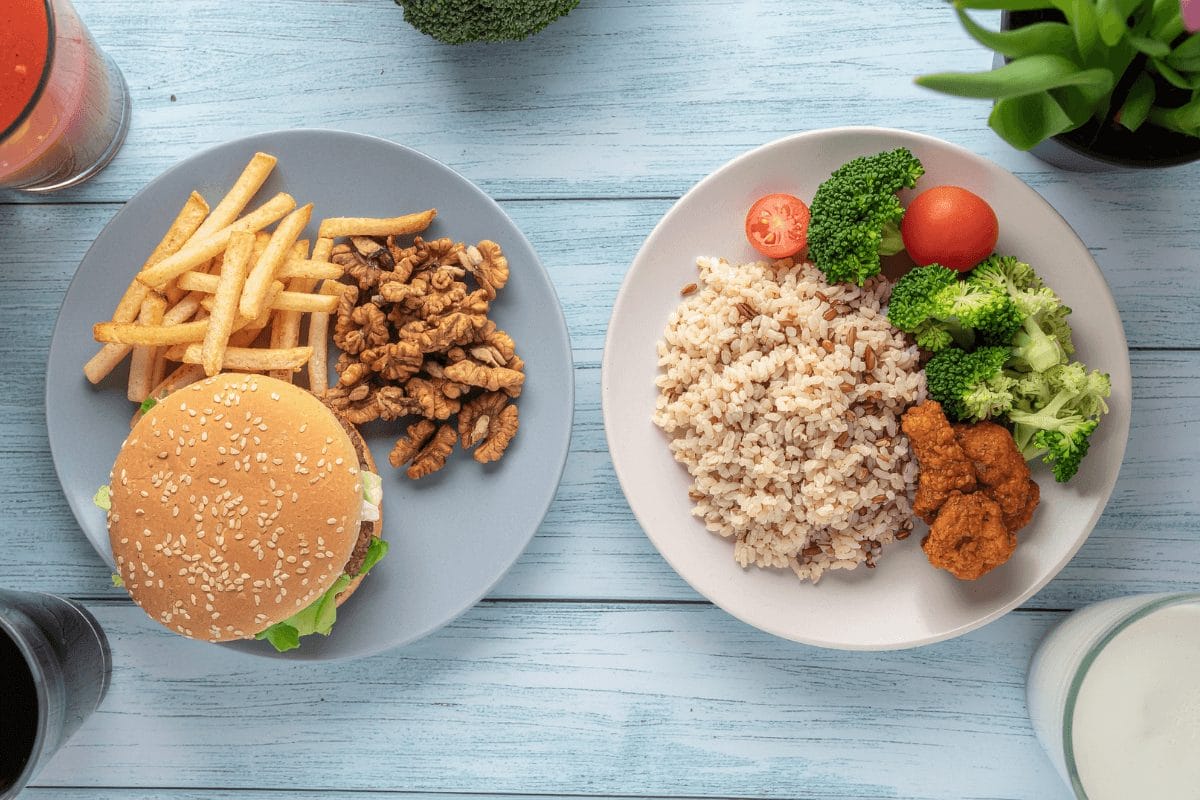
Some foods and eating habits are more likely to make you feel tired after eating. While digestion always uses energy, certain foods make your body work harder or cause bigger changes in blood sugar, which can leave you feeling drained after meals.
Knowing which foods often cause tiredness after eating can help explain why some people keep wondering about their post-meal energy dip, even if they think they’re eating enough.
Refined Carbohydrates and Sugary Foods
Foods high in refined carbs or sugar, like pastries, white bread, sugary drinks, and desserts, are common reasons people feel sleepy after eating. These foods are quickly digested and can raise your blood sugar quickly.
This quick rise is often followed by a sharp drop in blood sugar, leading to an energy crash. As your blood sugar falls, you might feel foggy, sluggish, and fatigue after eating.
Because of these sudden changes in energy, meals high in refined carbs often leave people feeling unusually tired after eating.
Alcohol and High-Fat Meals
Alcohol can make you feel tired after eating because it has a calming effect on your nervous system. If you drink alcohol with a big or rich meal, you might feel even sleepier.
Very high-fat meals can slow down digestion, so your body spends more time processing food. While healthy fats are good for you, eating too much fat at once can make you feel sluggish while you digest.
Foods Rich in Tryptophan
Some foods have more tryptophan, an amino acid that helps your body make serotonin and melatonin. These chemicals help you relax and feel sleepy.
Foods like turkey, eggs, cheese, and dairy naturally have tryptophan. When you eat them with carbs that raise insulin, your body can make more serotonin and melatonin, which may make you feel sleepy after eating.
When Feeling Sleepy After Eating Could Signal a Deeper Issue

It’s normal to feel tired after a big meal sometimes. But if you often feel sleepy after eating, it could mean something else is affecting your digestion or metabolism.
Feeling drained after meals isn’t always just about what you eat. Sometimes, it’s about how well your body digests food, controls blood sugar, and handles the energy needed for digestion. If these systems are stressed, your body may use more energy for digestion, leaving you feeling wiped out.
Knowing about these deeper causes can help explain why some people keep asking, ‘Why am I tired after eating?’ even when they try to eat balanced meals.
Poor Digestion
When your digestion works efficiently, your body can break down food and absorb nutrients without using too much energy. When digestion is weak or slow, your body must work harder to process meals, leading to digestion fatigue and making you feel tired after eating.
Over time, poor digestion can also cause bloating, discomfort, and fatigue after meals, contributing to why you feel tired after eating.
Food Sensitivities and Intolerances
Food sensitivities can also leave you feeling tired after eating. When your body reacts poorly to certain foods, it can trigger inflammation that affects digestion and energy levels.
Instead of feeling energized after a meal, the body may divert more resources to managing the reaction, leading to fatigue. Over time, repeated reactions to foods your body struggles to tolerate may contribute to what some practitioners describe as digestion fatigue, where the digestive system has to work harder than it should.
Common triggers can include foods like gluten, dairy, highly processed ingredients, or certain additives, though sensitivities vary from person to person.
Chronic Stress and Nervous System Imbalance
Your nervous system is important for digestion. If you’re under constant stress, your digestion often slows down because your body stays in a fight-or-flight mode instead of relaxing for proper digestion.
This imbalance can slow down digestion and make your body use more energy to process food. So, if you’re stressed for a long time, you might get digestive fatigue, where your body has trouble keeping up with digestion.
When this happens, feeling tired after eating can become a regular occurrence rather than an occasional one.
Many people also experience tiredness after meals because the nervous system struggles to shift into a true “rest and digest” state. Chronic stress keeps the body in a heightened state of alert, which can impair digestion. When the body finally begins digesting a meal, it may suddenly redirect energy toward digestion, leaving you feeling unusually drowsy after eating.
Blood Sugar Imbalance
If you often have energy crashes after meals, it could mean your blood sugar isn’t stable. When your blood sugar rises quickly and then drops quickly, you might feel tired, shaky, irritable, or foggy.
This pattern can make you feel fatigue after meals again and again, especially if your meals don’t have enough protein, fiber, or healthy fats to slow down sugar absorption.
Researchers have also studied a phenomenon known as postprandial somnolence, the sleepiness many people experience after eating. Studies suggest this response is linked to metabolic changes and how the body processes nutrients after a meal.
If this sounds like you, working on keeping your blood sugar steady can really help reduce post-meal tiredness.
How to Prevent Feeling Sleepy After Eating

If you often feel tired after eating, making a few simple changes to what and how you eat can boost your energy. Supporting your digestion and keeping your blood sugar steady can help your body use food for lasting energy instead of causing a crash.
Small changes to your meals, portion sizes, and daily habits can make a big difference in how you feel after eating.
Eat Balanced Meals
One of the best ways to avoid feeling tired after eating is to make balanced meals with protein, healthy fats, and fiber-rich carbs.
Meals with only refined carbs or sugar can cause your blood sugar to rise and fall quickly, often leading to a post-meal energy crash. Adding protein and healthy fats slows digestion and keeps your blood sugar steady, giving you more consistent energy.
For example, eating carbs with protein, like eggs, fish, beans, or yogurt, can help prevent large blood sugar spikes that leave you feeling tired after eating.
Avoid Large or Heavy Meals
Eating too much can strain your digestion. When you eat very large meals, your body needs more energy and blood flow to your stomach and intestines.
This increased digestive workload can contribute to digestion fatigue, in which the body directs more energy toward processing food and less toward maintaining alertness. Eating moderate portions and stopping before feeling overly full can reduce the likelihood of feeling tired after eating.
Slow Down While Eating
Eating too quickly can make digestion harder and raise your chances of feeling tired after a meal. When you eat fast, your body may not break down food as well.
Slowing down gives your body time to make digestive juices and stomach acid. Chewing your food thoroughly and eating in a calm setting can help improve digestion and reduce tiredness after meals.
Take a Short Walk After Meals
Moving a little after eating can help your digestion and keep your blood sugar steady. Taking a short walk after meals helps improve blood flow and lets your body use sugar more effectively.
Even a 10-minute walk can help you feel less tired after eating and boost your energy.
Stay Hydrated
Being dehydrated can make you feel even more drained after meals. Drinking enough water during the day helps your digestion, helps you absorb nutrients, and keeps your energy steady.
Staying hydrated also helps your body digest food better, so you’re less likely to feel tired after eating.
When to Speak With a Healthcare Professional

It’s common to feel tired after eating once in a while, especially after a big or carb-heavy meal. But if you often feel very drained after meals, it could be a sign of a health issue that needs to be checked out.
If you always feel very tired after eating or if it gets in the way of your daily life, it’s a good idea to talk to a healthcare professional. Ongoing fatigue after meals can sometimes be caused by blood sugar problems, digestive issues, or food sensitivities.
Other symptoms that can accompany feeling tired after eating include dizziness, brain fog, bloating, stomach discomfort, or trouble focusing. These issues help explain why many people continue to wonder about their post-meal energy drop even if they eat healthy.
A healthcare provider can help find out what’s causing your tiredness and suggest ways to support your digestion, keep your blood sugar steady, and help you feel more energized after meals.
Why You Feel Sleepy After Eating and What It Means for Your Body

Feeling tired after eating is common and often reflects how your body responds to digestion, blood sugar changes, and what you eat. Mild tiredness after a big meal is normal, but if you often feel drained after eating, your digestion, blood sugar, or habits might need some support.
Often, feeling tired after eating is your body’s way of telling you that something in your digestive or metabolic system needs attention. These signs can help you understand how well your body handles food and maintains steady energy levels.
When you understand how digestion, metabolism, and energy are connected, it’s easier to see why some meals make you feel good, and others make you tired. Eating balanced meals, paying attention to how you eat, and keeping your blood sugar steady can help you avoid post-meal fatigue.
When you start noticing these patterns, your body often gives you clear feedback. By making small changes to your diet and daily habits, you can reduce digestive strain, maintain steady energy, and feel more alert after meals.