Why Your Gut Holds the Key to Wellness
Your digestive system is more than a food processor—it’s the foundation of energy, immunity, mood, and long-term vitality. When digestion falters, the ripple effects can manifest as fatigue, skin problems, brain fog, and even emotional imbalances.
The good news? You can fix poor digestion naturally using a combination of modern science, Ayurvedic remedies for poor digestion, and practical digestive health tips. This guide explores the root causes, key warning signs, and the most effective natural remedies for digestion—helping you restore balance and reclaim comfort, energy, and long-term wellness.
Part 1: Understanding Poor Digestion
The Digestive Pathway
Digestion is an orchestrated event that begins before you even take your first bite:
- Mouth: Chewing triggers the release of amylase that breaks down carbohydrates. Thorough chewing (30+ times) improves absorption by up to 30%.
- Stomach: Hydrochloric acid breaks down protein and activates enzymes. Today, many people require poor digestion treatment because they lack proper stomach acid, not because they have too much. Still, because they have too little, I have learned that the symptoms are generally almost identical.
- The small intestine: Villi absorb approximately 90% of nutrients, converting food into fuel.
- Large Intestine: The central organ system where the majority of its microbiome exists. Its function is to reabsorb water and electrolytes, produce and utilize specific vitamins, and eliminate waste from the body.
Root Causes of Poor Digestion
Several factors can weaken digestion:
- Low stomach acid (hypochlorhydria) can lead to bloating, reflux, toxin accumulation, and nutrient loss.
- Enzyme insufficiency: effects the breakdown of proteins, carbs, and fats, and vitamins and mineral abosorption.
- Gallbladder sluggishness: decreased bile release, which affects the transit time and pH of the small intestine, causing fatty stools or bloating.
- Lifestyle factors, including the consumption of processed foods, refined oils, irregular eating habits, and dehydration, all contribute to impaired digestion.
- Stress overload: Chronic stress diverts blood flow from the gut, disrupting peristalsis.
- Microbiome imbalance: Antibiotics, a poor diet, and toxins can reduce the number of beneficial bacteria.
- Emotional triggers: The gut-brain axis means unresolved stress or anxiety can show up as digestive symptoms.
How Your Body Warns You When Digestion Is Off
Your digestive system is usually the first to tell you that something is off when it’s out of balance. Instead, it gives you clues—subtle at first, then louder as time goes on:
- A round and heavy belly after meals: Persistent bloating, excess gas, or that “full feeling” even when you haven’t overeaten.
- Variable elimination: Switching between constipation, diarrhea, or have irregular patterns that disrupt daily comfort.
- Chest on fire or sour taste: Heartburn, reflux, or indigestion that signals an imbalanced digestive fire.
- Energy cracks: Feeling fatigue, heaviness, or brain fog soon after eating, as if your body is working harder than it should to process food.
- Pitcure of stool: Visible undigested food particles pointing to weak enzyme activity or low stomach acid.
- Skin talking for your gut: Acne, eczema, rosacea, or rashes that reflect deeper digestive inflammation.
- Food reactions: Food that you used to eat now is problematic and triggers discomfort and stomach upset.
- Low nutrient profile: Iron, B12, or other deficiencies that show food isn’t being fully absorbed.
Think of these signals as your body’s way of speaking to you. They don’t mean your system is broken—they’re reminders that it’s time to fix poor digestion naturally and strengthen digestion back to balance.
The Migrating Motor Complex (MMC): Your Gut’s Housekeeping System
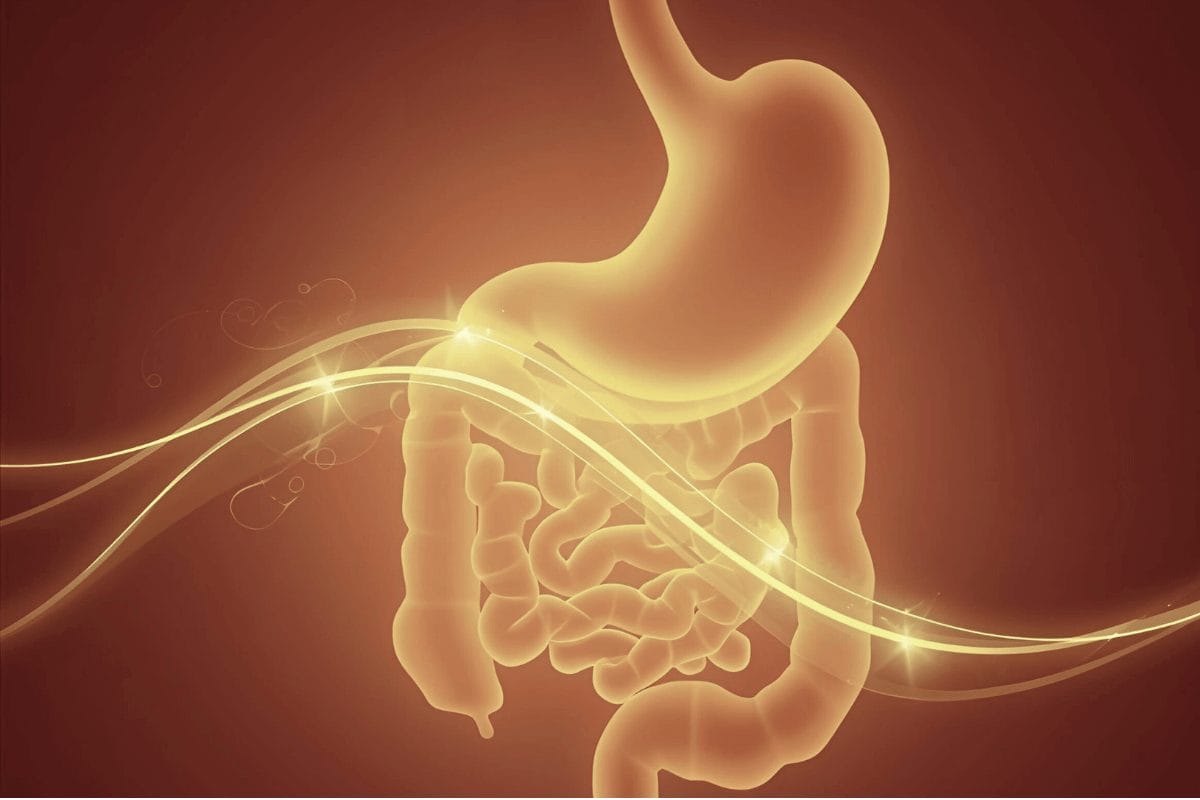
The Migrating Motor Complex (MMC) is often overlooked in the context of digestion, yet it is the most critical component of the process. This is a series of rhythmic, wave-like contractions that sweep through the small intestine when you’re not eating. MMC’s primary role is to clear leftover food particles, bacteria, and debris—essentially keeping the gut “clean” between meals.
When the Migrating Motor Complex (MMC) functions correctly, it helps prevent bacterial overgrowth, supports nutrient absorption, and maintains a balanced gut environment. The process of MMC is known as the “housekeeper of the gut.” Bloating, gas, and small intestinal bacterial overgrowth (SIBO) are some new terms and symptoms commonly experienced often due to continuous grazing, eating on the go, and stress – these habits disrupt teh gut flora. A well-functioning MMC is vital for preventing dysbiosis and promoting gut healing.
Supporting the MMC is simple: leave at least 3–4 hours between meals without grazing, allow for a 12-hour overnight fast, and engage the parasympathetic system with calm, mindful eating. These habits complement other natural digestion remedies and are among the most effective long-term digestive health tips to restore balance.
The Vagus Nerve: Your Body’s Rest-and-Digest Pathway
One of the most potent yet underappreciated regulators of digestion is the vagus nerve—a long cranial nerve that connects your brain to the digestive tract. The “highway” is how people often widely recognize the parasympathetic nervous system. The spinal cord is where this vital nerve originates from the brain’s end. A complex interplay between the brain and the body, requiring effective communication, involves numerous organs, such as the heart, lungs, and digestive tract. By activating this pathway, the vagus nerve helps to lower heart rate, stimulate digestion, and support a state of relaxation, thereby counteracting the stress response governed by the sympathetic nervous system.
When the vagus nerve is functioning well, it:
- Stimulates the release of digestive enzymes and stomach acid
- Enhances peristalsis (the wave-like movement that pushes food through the gut)
- Improves nutrient absorption by supporting blood flow to digestive organs
- Helps regulate inflammation within the digestive system
On the other hand, when vagal tone is low—often due to stress, trauma, or chronic anxiety—digestion slows down. This can contribute to symptoms like bloating, constipation, reflux, and food sensitivities.
Activate and strengthen the vagus nerve by practicing one of the following: slow, deep breathing, humming, chanting, or splashing the face with cool water.
These techniques complement natural digestive remedies and are among the most underrated tips for maintaining digestive health.
Part 2: Hidden Factors That Impair Digestion

The Emotional Component: Gut–Brain Connection
Your digestive system is often referred to as the “second brain.” It contains over 500 million neurons and produces more than 30 neurotransmitters. When you feel anxious, angry, or sad, your gut’s function literally changes.
- Stress response: Redirects blood away from digestion.
- Anxiety: Can trigger diarrhea, bloating, or pain.
- Emotional eating Can Lead to overeating, irregular meal patterns, and a sluggish metabolism.
This is why many digestive health tips include meditation, breathing practices, and mindful eating. Activating the parasympathetic “rest-and-digest” state is one of the most overlooked yet powerful natural remedies for digestion.
The Toxin Load: Ama and Modern Stressors

In Ayurveda, accumulated toxins are called ama—sticky, undigested residues that clog channels and weaken Agni. In modern terms, toxins also come from:
- Processed foods: Artificial additives and preservatives.
- Environmental pollutants: Pesticides, heavy metals, and plastics.
- Lifestyle toxins: Alcohol, smoking, excessive caffeine.
- Chronic stress: Raises cortisol levels, disrupting gut lining integrity.
When the body is overloaded with toxins, even the best herbs for digestion struggle to be effective. Supporting detoxification through liver herbs, clean eating, and gentle fasting (such as overnight 12-hour fasts) is an essential part of a treatment plan for poor digestion.
Advanced Considerations for Digestive Healing
- Microbiome support: Probiotics, fermented foods, prebiotics, and stress support.
- Seasonal eating: Warm, spiced foods in winter; cooling, hydrating foods in summer.
- Nervous system practices include breathwork, yoga, mindfulness, and spending time in nature to calm the vagus nerve.
- Sleep optimization: Rest supports the circadian cycle, and an imbalance can lead to hormones that impact appetite and motility.
This is why I love combining functional nutrition with Ayurvedic tips for gut health, as it provides a super personalized, holistic approach to lasting digestive resilience.
Part 3: Natural Remedies & Guidance

The Ayurvedic Perspective: Agni and Dosha Types
Ayurveda views digestion through Agni—the digestive fire that governs metabolism and digestion. When Agni is weak or imbalanced, toxins (ama) accumulate and health declines. Ayurvedic remedies for poor digestion aim to restore this balance.
Vata Digestion (Air/Space): Gas, bloating, constipation.
Remedies: Warm, moist, grounding foods (soups, root veggies, kitchari), ginger tea. Avoid cold salads or iced drinks.
Pitta Digestion (Fire/Water): Heartburn, loose stools, heat intolerance.
Remedies: Cooling foods (such as cucumber, fennel, and coriander), coconut water, and mint tea. Avoid spicy foods, fried oils, and alcohol.
Kapha Digestion (Earth/Water): Sluggishness, heaviness, weight gain.
Remedies: Light, spicy, and bitter foods; cumin, black pepper, turmeric. Avoid heavy dairy, excessive sweets, heavy carbohydrate meals, and fried foods.
These Ayurvedic tips for gut health offer a personalized blueprint for healing tailored to your unique constitution.
Best Herbs & Spices for Digestion

Natural digestion remedies are those that are derived from nature, such as herbs. They support the body in many ways and can be used to strengthen digestion and ease symptoms:
- Ginger: supports MMC, boosts enzyme activity, reduces nausea, supports circulation, and the list is very long. Ginger has amazing benefits.
- Fennel: Relieves gas and abdominal cramping.
- Turmeric: Reduces inflammation and stimulates bile flow.
- Peppermint: Soothes IBS-related discomfort.
- Cardamom: Prevents heaviness and improves appetite.
- Ajwain seeds: Traditional Ayurvedic aid for bloating and sluggish digestion.
These are just a few of the many herbs found in nature, and they are also among the most commonly used and recognized as some of the best herbs for digestion across cultures.
Lifestyle & Digestive Health Tips

Small daily habits have a profound effect on gut balance:
- Eat mindfully: Slow down, chew thoroughly, and avoid eating when stressed.
- Set meal rhythms: Consuming three balanced meals at consistent times supports natural circadian rhythms and digestion.
- Hydrate smartly: Drink water 30 minutes before meals and sip warm water throughout the day.
- Move gently after meals: A 15-minute walk stimulates peristalsis without overexertion.
- Reduce screen distractions: Being present during meals enhances parasympathetic activation and supports digestion.
- Keep a food & symptom journal: Helps you identify triggers and track improvements in your poor digestion treatment plan.
Natural Digestion Remedies You Can Try at Home
In addition to herbs and lifestyle adjustments, try:
- Drinking cumin, coriander, and fennel tea daily to reduce bloating.
- Eating a few bites of bitter greens before meals stimulates secretions.
- Adding lemon juice and ginger to warm water before breakfast to spark Agni.
- Use apple cider vinegar in warm water before meals (if tolerated, not for reflux).
- Favoring warm, cooked foods over cold or raw foods to support the digestive fire.
These gentle natural digestion remedies have been used for centuries and remain highly effective today.
Part 4: Guidance for Long-Term Gut Health
Personalization Is Key
Healing requires patience, faith, and time, and when we are amidst the chaos of emotions, we encounter many doubts that challenge us. The remedies listed above are general, but they do help and require in-depth root cause healing and personalization. Journaling, testing, and aligning remedies with your dosha create a customized treatment plan for poor digestion.
Signs Your Digestion Is Improving
- Regular, comfortable bowel movements
- Reduced bloating and heaviness
- Clearer skin and steadier mood
- Energy after meals rather than fatigue
- Improved tolerance for once-problematic foods
These markers indicate that your decision to address poor digestion naturally is effective.
The Path to Digestive Balance

Digestive health isn’t about quick fixes—it’s about steady, mindful changes. By applying digestive health tips, incorporating the best herbs for digestion, and following Ayurvedic remedies for poor digestion, you can naturally improve poor digestion while cultivating energy, balance, and resilience.
Every cell lining your digestive tract renews itself in just a few days. With each mindful meal and each herbal remedy, you’re supporting your body’s innate ability to heal. These consistent choices are the proper foundation of long-term wellness.