Your kitchen is the heart of your health. Many of the best herbs for digestion are already in your spice cabinet — simple, powerful botanicals that support bloating, sluggish digestion, and low digestive fire naturally. What looks like ordinary spices can become potent digestive herbs when used intentionally.
Herbal alchemy is the art of transforming everyday herbs into targeted support for the gut. By incorporating these herbs for digestion into your daily cooking and tea rituals, you strengthen digestive capacity, improve assimilation, and restore balance from the inside out.
In this guide, I’ll share 10 everyday kitchen herbs that have been treasured in both Ayurveda and modern nutrition science for their digestive health benefits. These digestive herbs are the same allies I use in my own teas and blends — accessible, effective, and deeply supportive of long-term gut vitality.
Why Digestive Herbs Work: The Herbal Alchemy Approach
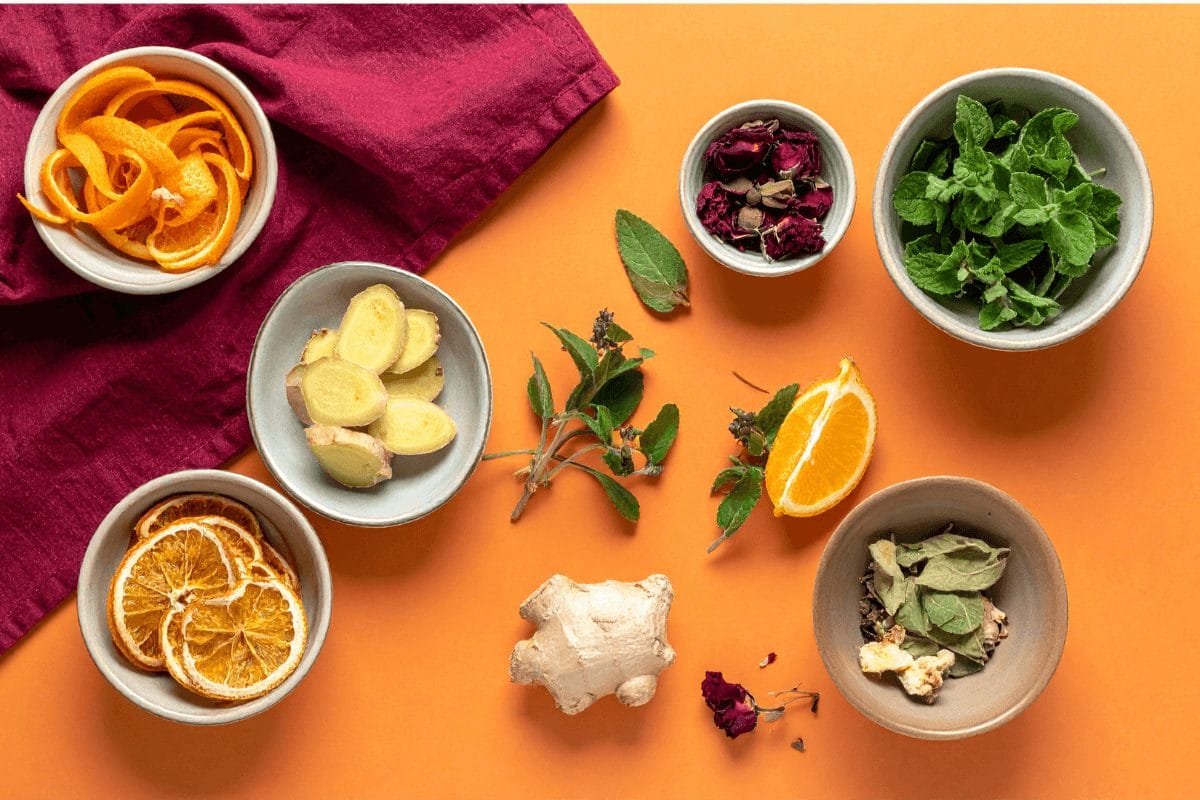
Your kitchen is the heart of your health. Many of the best herbs for digestion are already in your spice cabinet — simple, powerful botanicals that naturally support bloating, sluggish digestion, and low digestive fire. What appear to be ordinary spices can become potent digestive herbs when used with intention.
Herbal alchemy is the practice of transforming everyday herbs into targeted support for the gut. By incorporating these herbs for digestion into your daily meals and tea rituals, you strengthen digestive capacity, enhance nutrient assimilation, and restore balance from the inside out.
In this guide, I’ll share 10 everyday kitchen herbs treasured in both Ayurveda and modern nutrition science for their digestive benefits. These are the same digestive allies I use in my own teas and blends — accessible, effective, and deeply supportive of long-term gut vitality.
1. Ginger – The Warming Digestive Fire
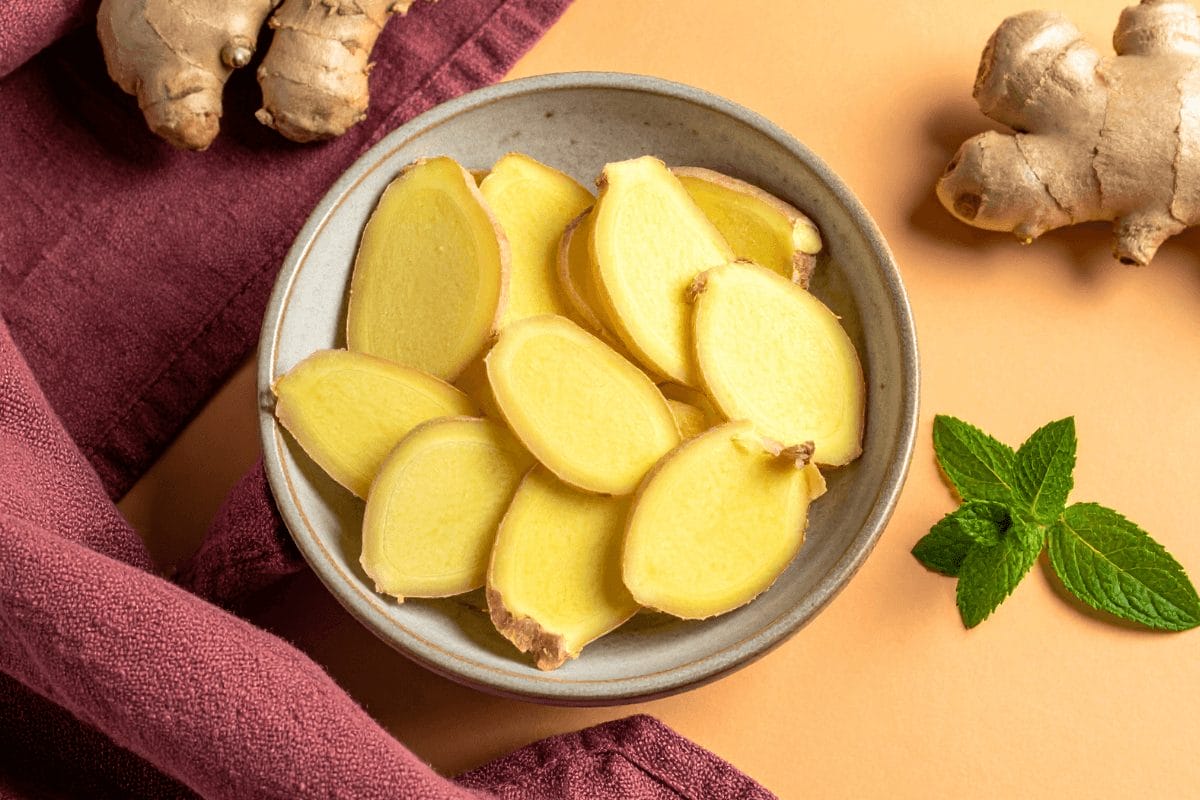
Ginger is one of the most researched digestive herbs, praised for its ability to reduce nausea, ease cramping, and support gastric motility. Its warming nature ignites agni—the digestive fire—helping the body break down heavy foods more efficiently.
Modern research shows that ginger stimulates saliva, bile flow, and digestive enzymes, which improves the breakdown of fats and proteins. It also supports the migrating motor complex (MMC), the wave-like contractions that keep the digestive tract moving between meals.
In Traditional Chinese Medicine (TCM), fresh ginger (Sheng Jiang) is used to warm the stomach, reduce nausea, and harmonize digestion—especially when coldness or stagnation are present. Across systems of medicine, ginger is recognized as a foundational herb for restoring digestive momentum.
Ginger for digestion is often the easiest place to begin if you’re new to digestive herbs.
Functional Benefit: Supports gastric emptying, reduces nausea and bloating, stimulates circulation.
Energetic Profile: Warming, activating, dispersing.
Kitchen Use: Fresh ginger tea; grated into soups, stir-fries, and curries; or added to digestive blends.
2. Cumin – The Grounding Soother

Cumin is one of the most reliable herbs for digestion, especially after heavy or protein-rich meals. In Ayurveda, cumin is classified as both dipana (kindling digestive fire) and pachana (enhancing assimilation), meaning it not only stimulates appetite but also helps the body fully process what is eaten.
Its pungent, slightly bitter qualities stimulate bile flow and digestive secretions, improving fat metabolism and reducing post-meal sluggishness. Cumin is particularly supportive when digestion feels weak, gassy, or heavy.
Unlike stronger heating spices, cumin is gentle and generally balancing for all doshas. It grounds excess air in the gut (vata), supports proper transformation in the small intestine, and prevents the buildup of ama — the toxic residue of incomplete digestion.
Modern research supports its traditional use, showing cumin may enhance pancreatic enzyme activity and support gut motility.
Functional Benefit: Stimulates bile production, enhances enzyme activity, and reduces gas and bloating.
Energetic Profile: Warm, grounding, mildly drying.
Kitchen Use: Lightly toast whole seeds in ghee before cooking; add to beans, lentils, soups, rice, or digestive teas.
3. Coriander – The Cooling Digestive Aid
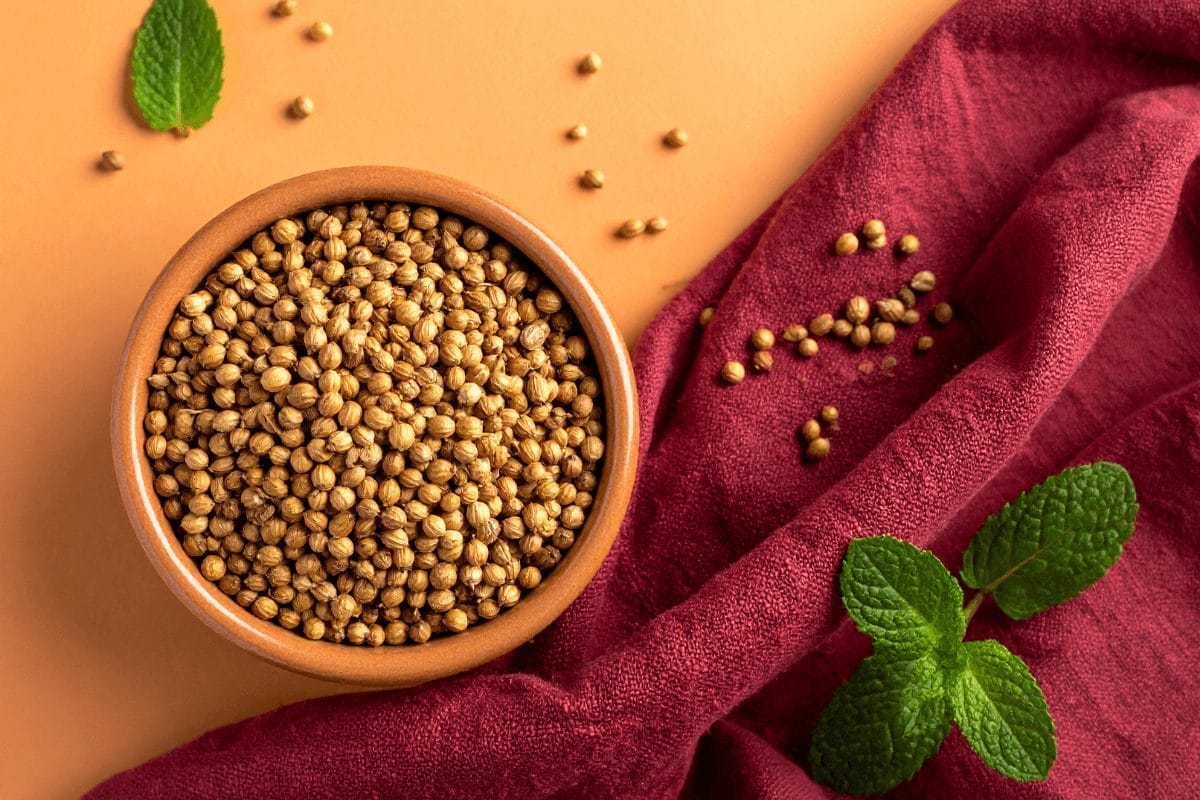
Coriander seeds are light, slightly sweet, and cooling — ideal for calming overheated digestion marked by acidity, heartburn, or irritability after meals. In Ayurveda, coriander is valued for pacifying excess pitta while still gently supporting digestive function. Unlike strongly heating spices, it enhances assimilation without aggravating internal heat.
Coriander acts as a mild carminative, helping reduce gas and post-meal bloating. It also supports healthy urinary and liver function, helping the body clear excess heat and metabolic byproducts. When digestion feels sharp, inflamed, or sensitive, coriander restores equilibrium without overstimulation.
From a modern perspective, coriander contains volatile oils and antioxidant compounds that support digestive comfort and gut microbial balance.
Functional Benefit: Reduces acidity, eases bloating, supports gentle detoxification.
Energetic Profile: Cooling, soothing, lightly drying.
Kitchen Use: Add whole seeds to curries, grind fresh into spice blends, or steep crushed seeds into a calming coriander tea after meals.
4. Fennel – The Premiere Bloat Reliever

Fennel is one of the most trusted herbs for digestion and bloating, especially when gas, cramping, or post-meal heaviness are present. Its naturally sweet yet slightly pungent taste makes it well tolerated across ages — traditionally even offered to infants for gentle digestive comfort.
In Ayurveda, fennel is considered both dipana (kindling digestive fire) and pachana (supporting assimilation), yet unlike stronger heating spices, it does so without aggravating internal heat. This makes it particularly helpful for sensitive digestion or mild acidity.
Modern research supports its traditional use. Fennel contains volatile oils such as anethole, which help relax intestinal smooth muscle, reduce spasms, and improve motility. That is why fennel tea is often recommended after meals to ease bloating and encourage comfortable digestion.
I grew up chewing fennel seeds after meals without knowing why — only later realizing that this simple ritual supported gut motility and prevented gas before it started.
Functional Benefit: Carminative, reduces bloating, relaxes intestinal spasms, supports motility.
Energetic Profile: Cooling, mildly sweet, balancing.
Kitchen Use: Chew seeds after meals, steep crushed seeds into tea, or add to baked goods and spice blends.
5. Cardamom – The Harmonizer
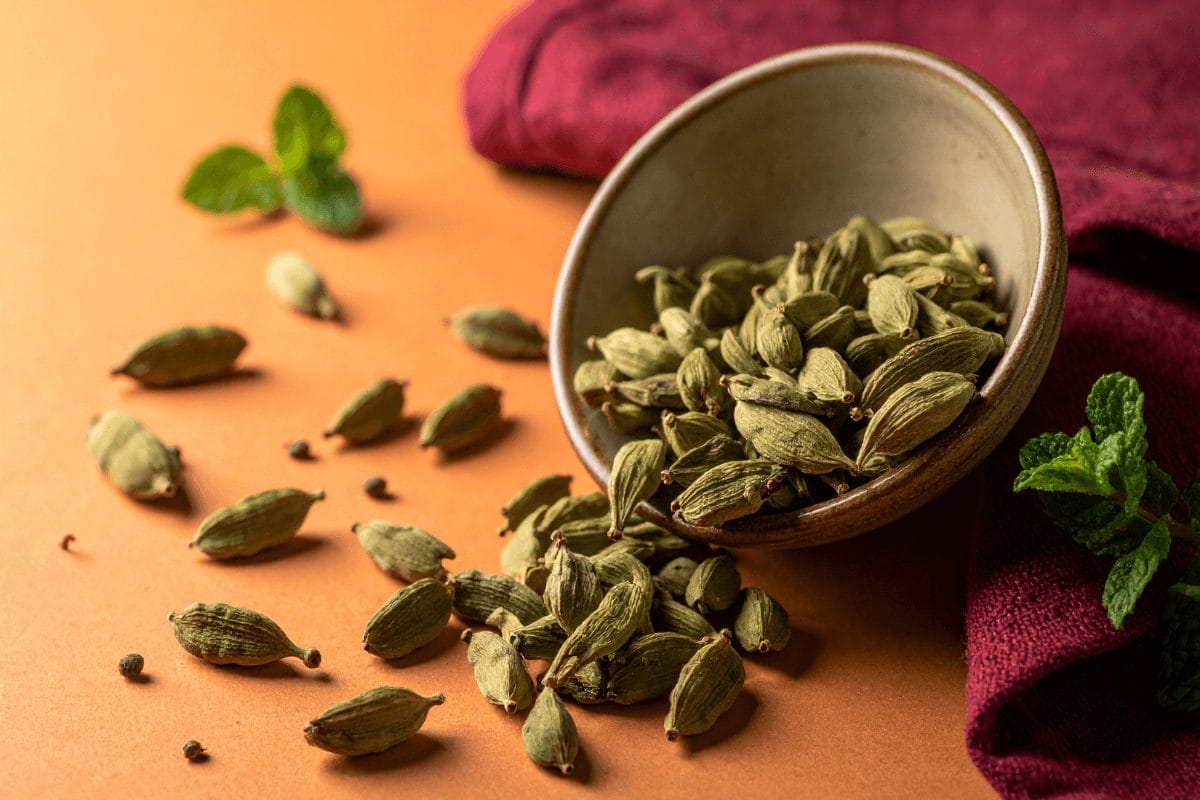
Cardamom is an ancient digestive spice native to India, valued in Ayurveda for its ability to ease heaviness and restore comfort after rich or oily meals. Its sweet, pungent aroma gently stimulates digestion without overwhelming the system.
In Ayurvedic tradition, cardamom helps clear excess kapha and mucus while supporting proper assimilation. It is particularly useful when digestion feels sluggish, damp, or coated. Its aromatic oils stimulate saliva and digestive secretions, helping reduce bloating and mild post-meal acidity.
Cardamom is also known for balancing the overstimulating effects of caffeine, which is why it is traditionally added to chai and coffee. A small amount enhances digestibility; too much can become overly heating.
Functional Benefit: Eases indigestion, reduces bloating, supports digestive secretions.
Energetic Profile: Aromatic, gently warming, uplifting.
Kitchen Use: Add to chai, coffee, desserts, rice dishes, or digestive teas.
6. Ajwain – The Potent Gut Activator
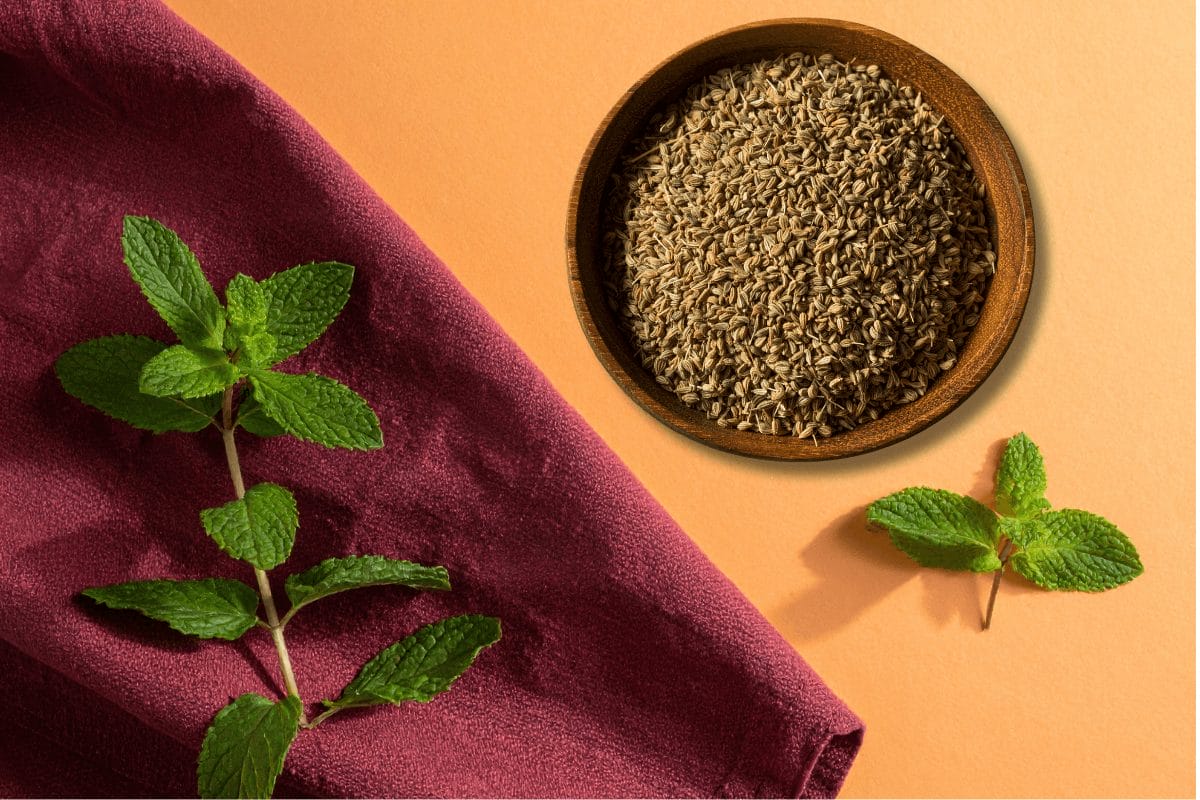
Ajwain (carom seeds) may be small, but they are one of the most powerful herbs for digestion when stagnation, gas, or heaviness are present. In Ayurveda, ajwain is considered strongly dipana (digestive fire–kindling) and is often used when appetite is low, or food feels difficult to process.
Its intense pungency stimulates gastric secretions and helps break up trapped gas, making it especially effective for bloating after legumes, heavy grains, or dense meals. Ajwain is particularly supportive for excess vata in the gut — when digestion feels cold, distended, or painful.
Because it is heating and activating, it should be used in small amounts and balanced with other spices in blends.
Functional Benefit: Strong carminative, reduces gas and cramping, stimulates digestive secretions.
Energetic Profile: Hot, pungent, penetrating.
Kitchen Use: Lightly dry roast in ghee and add to lentils, beans, flatbreads, or digestive spice mixes.
7. Cinnamon – The Circulatory Balancer

Cinnamon is widely recognized for its ability to support healthy blood sugar balance, but it is also one of the most effective warming herbs for digestion. In Ayurveda, cinnamon is considered strongly dipana, kindling digestive fire and improving circulation to the stomach and intestines.
Its warming, sweet-spicy nature helps counter cold, sluggish digestion — especially in colder seasons or in individuals prone to bloating after sweet or heavy foods. By enhancing circulation and supporting insulin sensitivity, cinnamon helps stabilize post-meal blood sugar fluctuations, which can indirectly improve digestive comfort and energy levels.
Modern research suggests cinnamon may influence glucose metabolism and reduce postprandial blood sugar spikes, reinforcing its traditional use as both a digestive and metabolic ally.
Functional Benefit: Supports blood sugar regulation, stimulates digestion, and improves circulation.
Energetic Profile: Warming, grounding, mildly drying.
Kitchen Use: Add to oats, smoothies, chai, teas, or warm desserts for digestive and metabolic support.
8. Turmeric – The Golden Cleanser

Turmeric is one of the most respected herbs for digestion and inflammation — and for good reason. In Ayurveda, turmeric is considered both pachana (digesting metabolic waste) and mildly dipana (stimulating digestive fire), making it especially helpful when sluggish digestion is accompanied by inflammatory symptoms.
Its bitter and astringent qualities support healthy bile flow, which is essential for fat digestion and detoxification. By enhancing bile secretion and supporting liver function, turmeric helps reduce post-meal heaviness and improve overall digestive resilience.
Modern research highlights curcumin, the active compound in turmeric, for its anti-inflammatory and antioxidant properties. It has been studied for its ability to support gut lining integrity and reduce inflammatory signaling within the digestive tract.
Turmeric works best when combined with warming spices and a source of fat, which improves its absorption and synergistic effect.
Functional Benefit: Anti-inflammatory, supports liver detox pathways and bile production, enhances gut lining support.
Energetic Profile: Bitter, warming, cleansing.
Kitchen Use: Add to curries, golden milk, roasted vegetables, soups, or digestive spice blends.
9. Mineral-Rich Salts – Foundational Support for Digestion
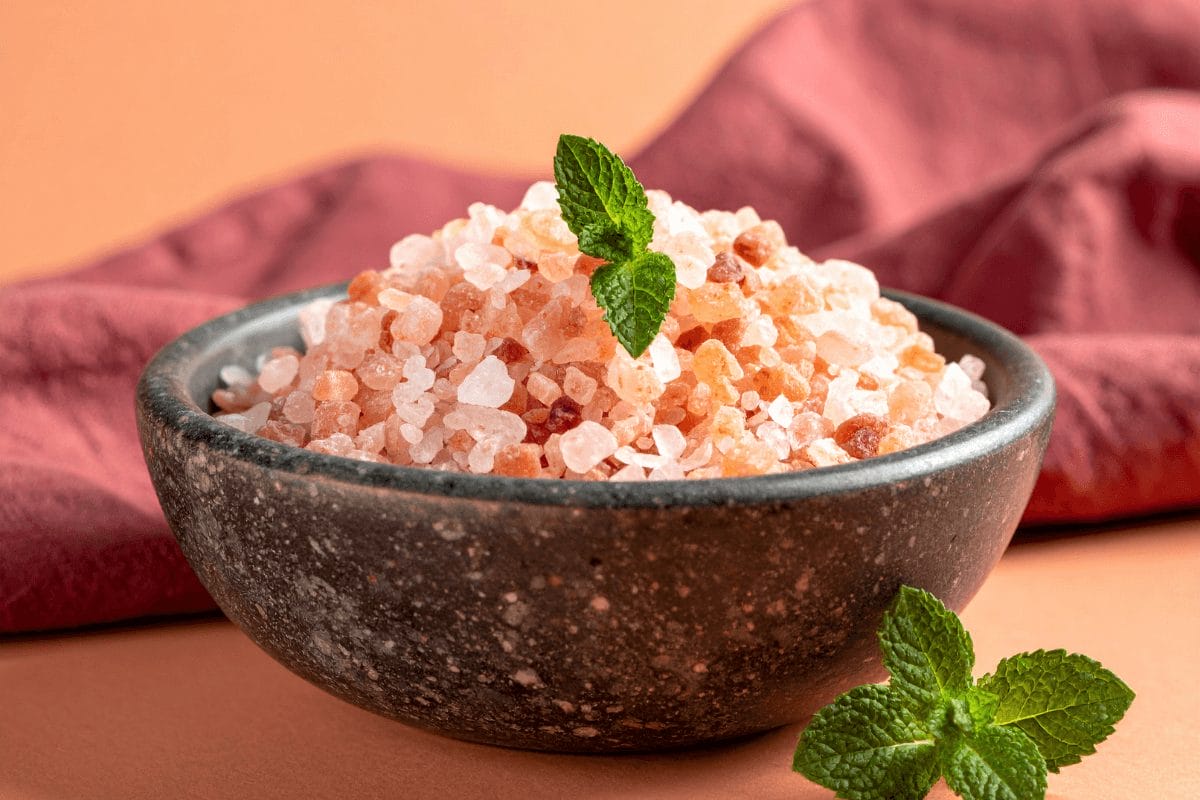
Salt plays a direct role in digestive physiology. Adequate sodium supports stomach acid production, enzyme activation, and proper hydration — all essential for efficiently breaking down and absorbing nutrients.
In Ayurveda, saindhava lavana (Himalayan rock salt) is traditionally preferred for its gentle, balanced properties and its support for digestion. It is considered less aggravating and easier to assimilate than heavily processed salts.
High-quality, minimally refined sea salt can offer similar functional benefits, particularly when used in moderation. Both mineral-rich salts help stimulate salivary flow and gastric secretions, preparing the digestive tract before meals.
Used thoughtfully, mineral salts can:
- Support appetite
- Enhance digestive enzyme activity
- Contribute to electrolyte balance
- Improve flavor perception and satisfaction
Functional Benefit: Stimulates digestive secretions, supports hydration, and assimilation.
Energetic Profile: Warming, grounding, stabilizing.
Kitchen Use: Add lightly to cooking, include a small pinch in warm water before meals, or incorporate into mineral-rich broths.
Personal Insight: How Herbal Alchemy Helped Bring Balance to My Digestion
During my postpartum season, I experienced a noticeable decline in digestion — almost as if my inner fire had dimmed. Bloating, sluggish bowels, and reduced digestive strength left me feeling heavy and depleted.
Instead of turning immediately to supplements, I returned to the kitchen herbs I trusted most. I began working daily with cumin, coriander, fennel, ginger, and other digestive herbs — blending teas designed to support the stomach, gallbladder, colon, and small intestine together rather than in isolation.
Over time, one of those blends evolved into what is now known as Daily Digest™ Tea. It is a tridoshic formula — balanced for all body types while still targeted enough to encourage healthy transit, reduce bloating, and gently rekindle digestive fire.
What surprised me most was how responsive the body can be when supported consistently. After incorporating the blend regularly, I began to feel lighter, more comfortable after meals, and more regulated in my elimination. It became a turning point — not because it was dramatic, but because it reminded me that digestion often responds best to steady, intelligent herbal support.
From there, I deepened my study of herbal alchemy, refining combinations that worked not only for my own recovery, but for others seeking stronger, more resilient digestion.
Coriander, Cumin & Fennel – The Classic Digestive Tea Trio

One of Ayurveda’s most trusted herbal combinations for digestion is the CCF blend — coriander, cumin, and fennel. Together, these digestive herbs create a balanced tea that gently supports daily elimination, reduces bloating, and restores digestive rhythm without overstimulation.
Cumin kindles digestive fire and supports bile flow.
Coriander cools excess heat and soothes acidity.
Fennel relaxes intestinal spasms and eases gas.
This synergy is what makes CCF one of the most effective herb teas for digestion, especially after heavy or irregular meals.
Functional Benefit: Balances warming and cooling properties to support motility, reduce bloating, and enhance assimilation.
Energetic Profile: Harmonizing, gentle, regulating.
Kitchen Use: Simmer the seeds into a digestive tea, sip after meals, or enjoy daily as a restorative tonic.
✨ This classic trio forms the foundation of my Daily Digest™ Tea — designed for consistent, everyday digestive support.
Modern research supports this traditional wisdom. Studies on the volatile oils of fennel and cumin show anti-inflammatory and antimicrobial activity, which helps explain their long-standing use for digestive comfort and bloating relief.
How to Use Herbs for Digestion in Daily Life
Incorporating herbs for digestion into everyday routines is often more effective than relying on occasional supplements. Small, consistent rituals can gently retrain and strengthen the digestive system over time.
Start with a Digestive Tea
One of the simplest ways to use digestive herbs is as tea. Steep cumin, coriander, or fennel seeds to create a calming tonic that supports motility and reduces bloating after meals. Fresh ginger tea is another easy starting point if digestion feels sluggish.
Layer Spices into Meals
Add ginger, cardamom, cinnamon, or cumin while cooking. Toasting spices lightly in ghee before adding them to dishes enhances their bioavailability and digestive potency.
Balance Warming and Cooling Herbs
In warmer months, emphasize cooling digestive herbs such as fennel and coriander. In colder seasons or when digestion feels slow, lean into warming herbs like ginger, cinnamon, and ajwain to stimulate circulation and digestive fire.
Combine for Synergy
Digestive herbs are powerful on their own, but their effects amplify when combined strategically. The classic Coriander–Cumin–Fennel (CCF) blend remains one of the best daily herbal teas for digestion because it balances warming and cooling actions while easing gas and heaviness.
Fresh ginger supports enzyme activity and the migrating motor complex, especially when digestion feels cold or stagnant. Turmeric pairs well with ginger in golden milk or curries, while cinnamon and cardamom create a warming digestive chai that also supports blood sugar balance.
Potential Side Effects & Precautions
While these herbs are generally gentle, thoughtful use matters. Ajwain is potent and should be used sparingly. High-dose turmeric may interact with blood-thinning medications. Salt should be used in moderation. If pregnant, on medication, or managing chronic conditions, consult a qualified practitioner before using concentrated preparations.
How Often to Use Digestive Herbs
Most of these are common kitchen herbs and can be used daily in cooking or tea. Consistency matters more than intensity. A cup of digestive tea once or twice daily is often sufficient for ongoing support.
If unsure where to begin, start with ginger for digestion — simple, accessible, and effective.
Rather than viewing herbs as quick fixes, think of them as gentle allies that retrain digestive capacity over time. Unlike many supplements that override symptoms temporarily, herbs work by supporting the body’s innate regulatory systems.
That is the essence of herbal alchemy: small, intentional shifts that create sustainable digestive resilience.
How Often to Use Them:
All the herbs I mention are common kitchen herbs that can be incorporated into everyday cooking and tea time. Using kitchen herbs for healing in this way makes them essential allies for promoting optimal digestion, overall health, and longevity.
A cup of any of the teas in The Saffron Aura Collection, depending on your element type, or simply the Daily Digest™ tea or ginger tea, can be consumed once or twice daily—making it a consistent and supportive practice. Ginger for digestion is the best place to start if you’re unsure or don’t have much on hand. Think of these herbs as gentle allies—not quick fixes—that work best when used regularly over time. Herbs work at the root cause, retraining and strengthening the organ systems for lasting results.
I often see clients wanting to rely on supplements, but those don’t constantly retrain or fortify the body. This is the main reason I love herbs: they bring sustainable change.
Herbal Alchemy for Everyday Wellness
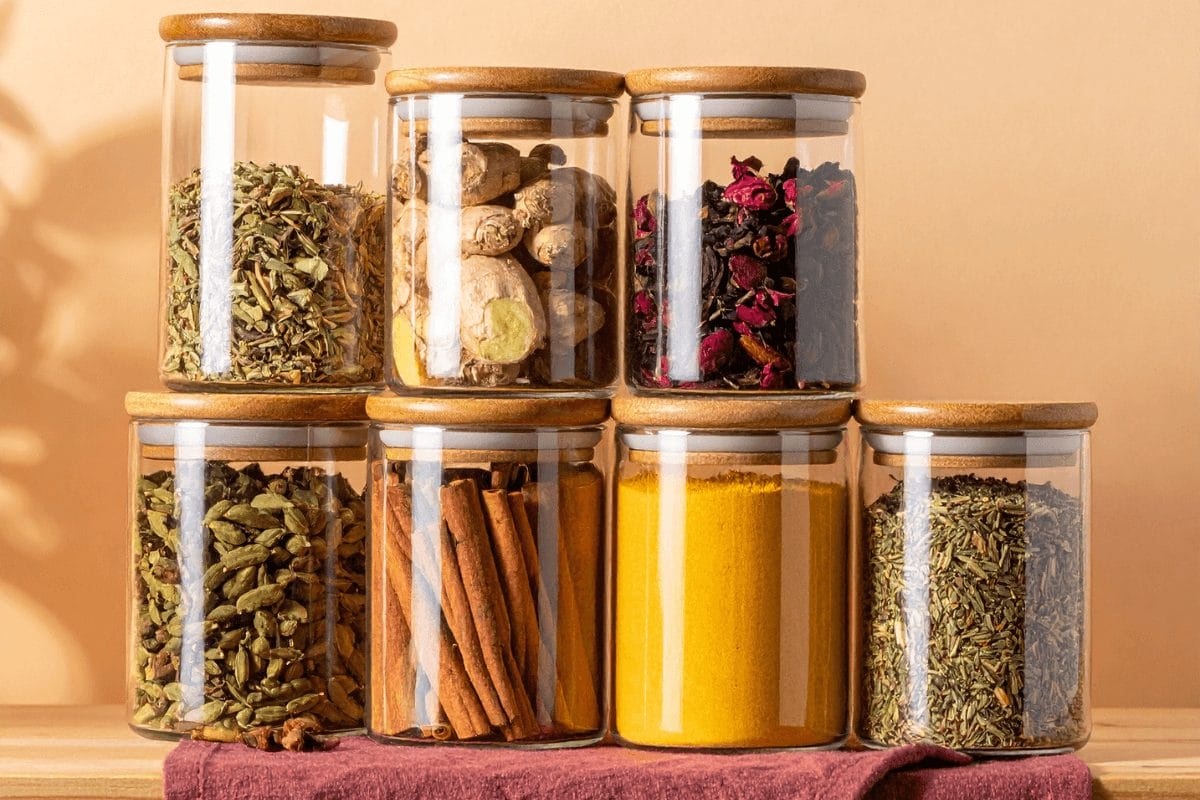
Herbal alchemy is the art of transformation — turning simple kitchen spices into powerful herbs for digestion that support daily vitality. With ginger, cumin, coriander, fennel, cardamom, ajwain, cinnamon, turmeric, and mineral-rich salts, you hold a complete toolkit of digestive herbs capable of strengthening gut function from multiple angles.
These are not just flavor enhancers. They stimulate digestive secretions, ease bloating, support bile flow, balance blood sugar, and regulate motility — bringing together traditional wisdom and modern nutritional science.
When used consistently, the best herbs for digestion do more than relieve discomfort. They build resilience. They retrain digestive capacity. They help restore the gut’s rhythm.
And the most powerful part….They are already in your kitchen.