Breath is life. Yet in our modern world, many of us rarely pause to notice how we breathe. Instead of taking slow, nourishing breaths, we often default to shallow, rushed chest breathing, which sends signals of stress to both the body and mind. Shifting to intentional, diaphragmatic breathing unlocks profound health advantages.
In this article, you’ll explore the science and tradition behind deep breathing benefits, learn practical breathing techniques such as the 4-7-8 breathing technique, and discover how these simple, accessible practices can help restore calm, balance, and vitality, empowering you with the knowledge and skills to take control of your health.
What Is Deep Breathing?

Deep breathing, also called diaphragmatic breathing or belly breathing, engages the diaphragm — a dome-shaped muscle beneath the lungs. Instead of lifting the shoulders with shallow chest breathing, the abdomen expands outward, allowing the lungs to fill.
When the lungs expand, oxygen naturally diffuses through the alveoli into the blood, where it binds to hemoglobin. This oxygen-rich blood circulates throughout the body, fueling every cell. At the same time, carbon dioxide — a waste product of metabolism — is released during exhalation.
By practicing diaphragmatic breathing, we strengthen the respiratory muscles and retrain the nervous system to respond more effectively to relaxation. Over time, this simple yet profound shift influences everything from blood pressure and heart rate variability to sleep and energy levels.
Top 10 Deep Breathing Benefits
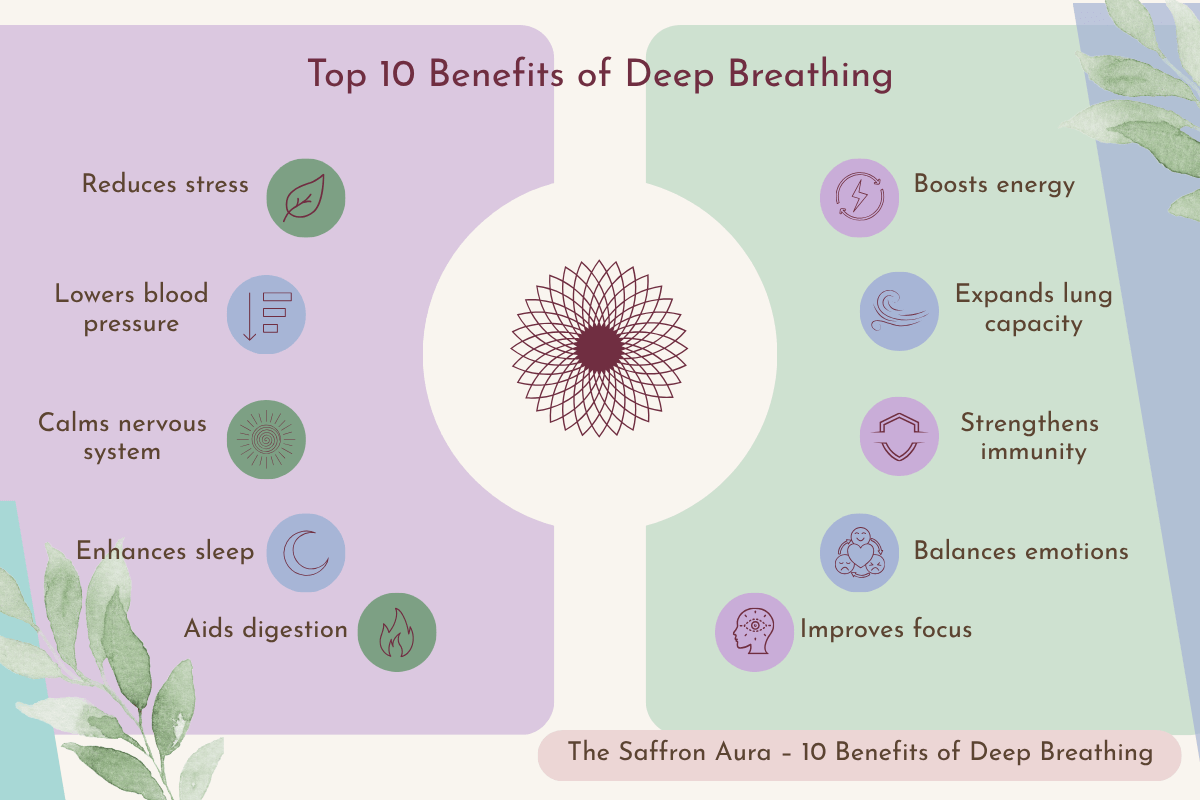
Modern science and ancient traditions agree that mindful breathing is a form of medicine.
Here are the most powerful deep breathing benefits you can experience:
- Activate the parasympathetic nervous system, as it reduces stress and anxiety
- Lowers cortisol levels, easing the burden of chronic stress.
- Improves sustained attention and mental clarity.
- Lowers blood pressure and promotes cardiovascular health.
- Enhances lung function and respiratory muscle strength.
- Improves sleep quality by calming the mind before bed.
- Increases heart rate variability (HRV), a key marker of resilience.
- Supports immune system strength and detoxification.
- Improves posture by releasing tension in the upper body.
- Boosts energy and stamina by optimizing oxygen delivery.
Shallow Breathing vs. Diaphragmatic Breathing

Many people unconsciously fall into shallow breathing — quick, upper-chest breaths often associated with the “fight or flight” response. This pattern increases heart rate, decreases mental performance, and signals the body that danger is near.
Diaphragmatic breathing benefits include lower stress, a slower heart rate, and more efficient oxygen exchange. By practicing belly breathing daily, you train your body to default to a calm, balanced state.
Quick Check: Place one hand on your chest and one on your belly. If the chest rises more than the belly, you’re breathing shallowly.
Why it matters: While the science is precise, these results aren’t instant. For most people, the positive effects of deep breathing — especially on stress, sleep, and mental clarity — can be felt within minutes of practice, providing immediate relief and a sense of encouragement. With daily consistency, more profound health shifts (such as lowered blood pressure or improved immunity) often appear after 4–6 weeks. This makes breathwork one of the most accessible yet powerful tools for wellness.
How Many Breaths Per Minute Is Normal?
Your breathing rate offers clues about your health. According to experts, normal resting respiration rates for adults are:
- 12–20 breaths per minute → healthy
- Under 12 → abnormally slow (bradypnea)
- Over 25 → abnormally fast (tachypnea)
Practicing slow, deep breathing helps bring your breath rate closer to 6–10 breaths per minute — a rhythm strongly associated with relaxation and optimal nervous system function.
Proven Breathing Techniques to Try
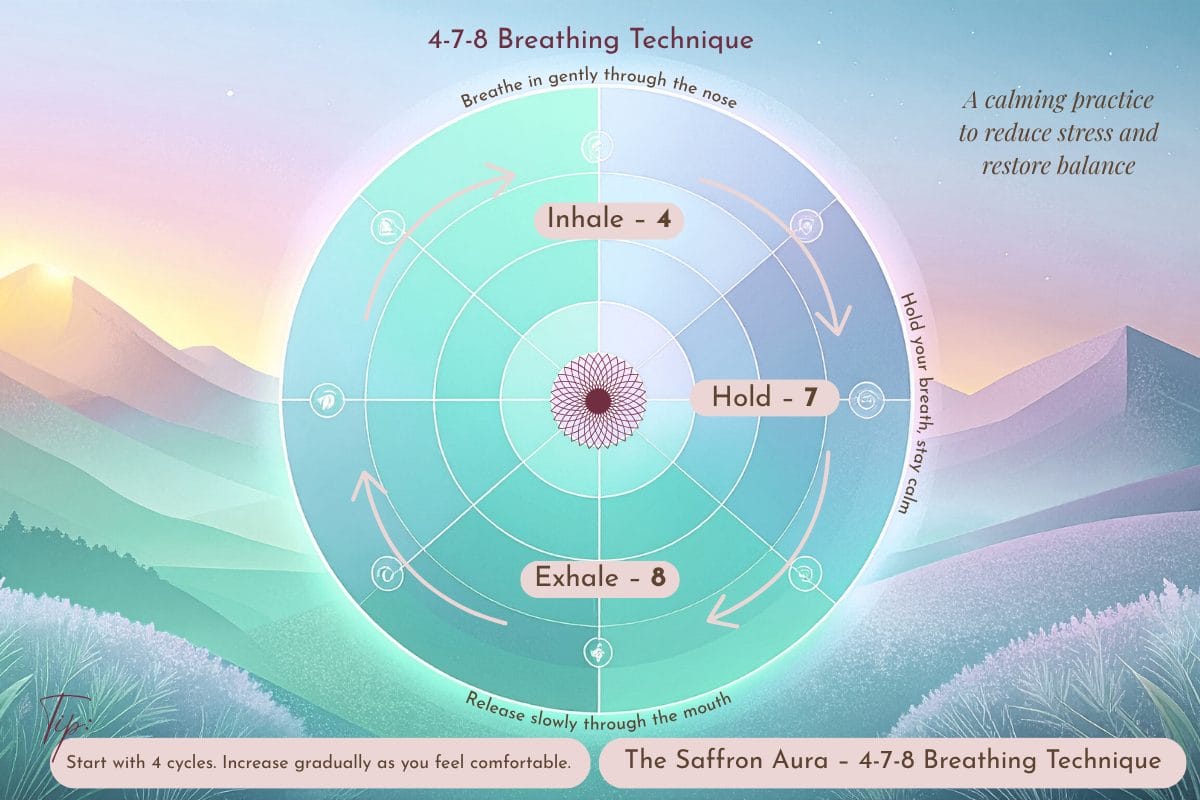
1. The 4-7-8 Breathing Technique:
A Quick and Effective Stress Buster made popular by Dr. Andrew Weil, this technique is rooted in yogic pranayama traditions.
How to practice:
- Sit upright with a straight spine.
- Place the tip of the tongue on the roof of the mouth behind the upper teeth.
- Inhale through the nose for four counts.
- Hold your breath for seven counts.
- Exhale slowly for eight counts.
Repeat 4–8 cycles. The 4-7-8 breathing technique is beneficial before sleep or during stressful moments.
This 4-7-8 breathing technique is one of the most commonly utilized and is particularly suitable for busy individuals. A single cycle takes less than one minute, meaning you can practice it while waiting for a meeting, before answering emails, or just before bed. Even short bursts of practice throughout the day accumulate to provide long-lasting calm.
2. Slow Breathing Exercises
Slow, steady breathing retrains the nervous system. Aim for 5–6 breaths per minute, inhaling through the nose and exhaling slightly longer through the mouth.
To reduce stress, lower blood pressure, and improve emotional resilience, it is vital to practice slow breathing exercises. That puts you in control of your biology and, over time, builds a resilient body.
If you feel too busy to “schedule” breathing practice, try habit-stacking. For example, take six slow, diaphragmatic breaths every time you’re at a red light, waiting for your tea or coffee to brew, or before opening your laptop. These daily practices can be easily incorporated into a busy lifestyle, requiring no special equipment and only a few moments of mindfulness.
3. Vagus Nerve Breathing
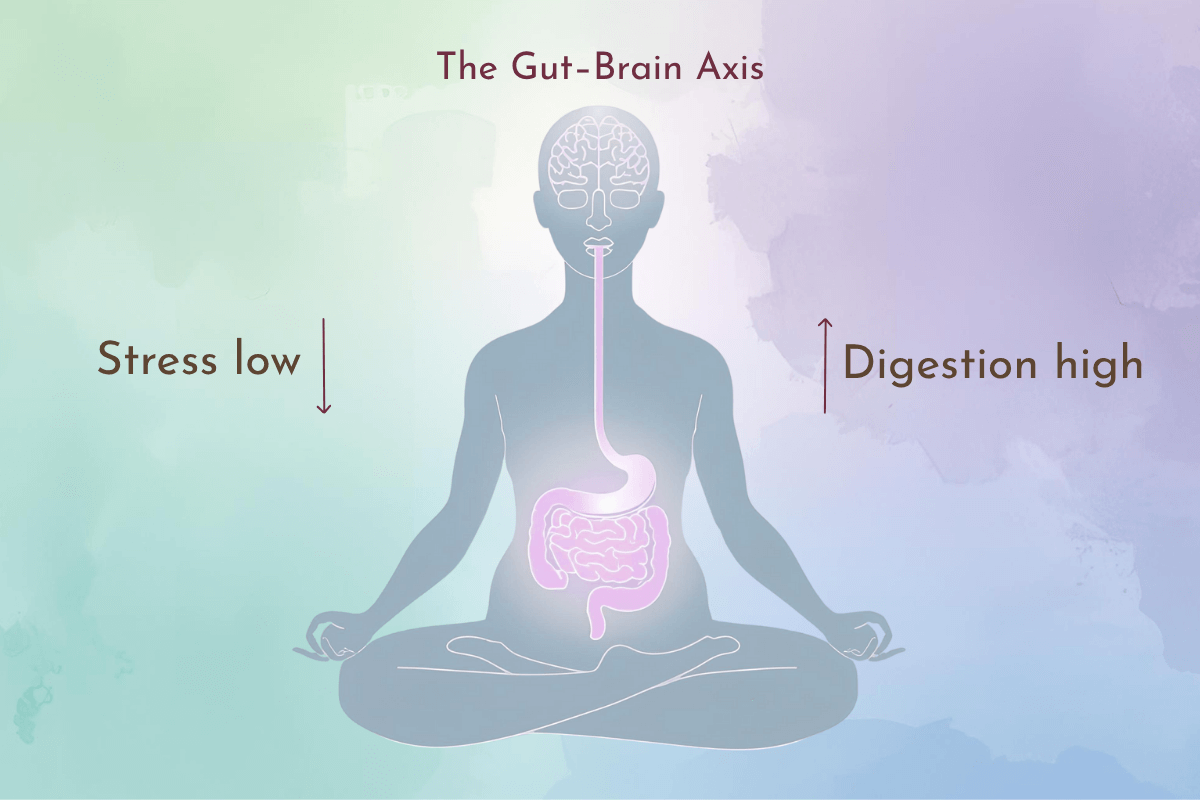
The vagus nerve connects the brain to various organs, including the heart and digestive system-this connection plays a key role in regulating the parasympathetic nervous system. Temperate, extended exhales can help stimulate vagal tone. Research indicates that breathing exercises targeting the vagus nerve may enhance digestion, improve mood, and increase overall resilience.
It takes time to be consistent and stay the course. As you continue to strengthen the vagal tone through deep breathing, it will not only reduce stress but also improve digestive function, immune health, and emotional balance. Most people notice subtle shifts in calmness and clarity within the first week of consistent practice.
4. Pranayama Practices
In the Vedic system, breath is referred to as prana, the life force. This section will explore ancient pranayama practices such as Nadi Shodhana (alternate nostril breathing) and Bhramari (humming bee breath), which balance energy, sharpen focus, and deepen inner calm.
Modern studies confirm these pranayama breathing benefits, including enhanced lung capacity and improved stress regulation.
Some pranayama exercises are energizing, while others are deeply calming. Beginners, then start with gentler techniques, such as alternate nostril breathing, to avoid feeling lightheaded.
Alternate nostril breathing (Nadi Shodhana) is one of my favorite practices for finding balance and clarity. While diaphragmatic breathing benefits the body by improving oxygen flow and promoting relaxation, alternate nostril breathing takes this a step further by calming the nervous system and supporting both sides of the brain. The benefits of deep breathing extend here too — reducing stress, easing digestion, and restoring focus. Similar to the 4-7-8 breathing technique, it is one of the simplest breathing exercises to lower blood pressure while also calming the mind. Among the many benefits of breathing exercises, this one stands out for its ability to harmonize energy, digestion, and emotional well-being.
Breathing Exercises to Lower Blood Pressure
One of the most studied outcomes of breathwork is its effect on cardiovascular health. Clinical research shows that regular practice of breathing exercises to lower blood pressure can:
- Reduce systolic and diastolic blood pressure
- Improve arterial flexibility
- Support heart health in people with hypertension
This makes breathwork a powerful, non-invasive tool for long-term vitality.
For those with hypertension, deep breathing should complement—not replace—medical care. Always consult a healthcare provider before making any changes to your medications. However, research suggests that even 10–15 minutes of daily practice can create measurable improvements within 6–8 weeks. Many people have crossed my path who have practiced mindful breathing under stress, and their results are astounding.
The Emotional & Energetic Side of Breathwork
If we move beyond the physical, deep breathing shifts emotional and energetic patterns as well. Shallow chest breathing is often associated with fear, anxiety, or tension, and even ego led. By expanding into belly breathing, we create space for calmness, resilience, and a sense of flow. According to Dr. Lad, it also supports the flow of energy and helps release stored trauma.
In Ayurveda and yoga, prana circulates through subtle energy channels called nadis. Breathwork not only oxygenates the body but also restores vibrational balance — leaving you grounded, energized, and uplifted.
Practical Tips to Begin a Breathing Practice
- Begin with awareness — notice your breath for one minute each day.
- Practice good posture — sit or stand tall, with relaxed shoulders, to give your lungs space.
- Begin small — try 2–3 minutes of diaphragmatic breathing before bed.
- Use guided practices — recordings or apps can support consistency.
- Anchor breath to daily rituals — morning tea, lunch break, or evening wind-down.
Remember that it doesn’t take hours to reap the benefits of breathwork. In fact, many people begin noticing calmer moods and lower stress levels within just one or two sessions. After a while, the week of practice, you will start seeing more profound benefits — such as improved sleep, lower blood pressure, or better focus. Think of breathing as a long-term investment in your resilience and vitality.
Potential Risks and Precautions
While breathwork is safe for most people, there are situations where caution is advised:
- Pregnancy: Some advanced pranayama techniques (especially those involving long breath retention or forceful exhalations) may not be recommended.
- Respiratory conditions: Individuals with COPD, severe asthma, or chronic lung disease should start slowly and consult their physician.
- Cardiac concerns: Those with uncontrolled hypertension or heart arrhythmias should avoid long breath holds and advanced techniques until cleared by a doctor.
- Mental health: For some people with PTSD or trauma, deep breathing may trigger discomfort at first. In these cases, guided, trauma-informed approaches are best.
The key is to get good at listening to your body. Always start gently, avoid overdoing, and stay consistent.
Bringing Breath Back Into Balance

Breathing is the one autonomic function we can consciously control — and that gives us power. Practicing mindful, diaphragmatic breathing unlocks a cascade of deep breathing benefits that positively impact health, including a calmer stress response, improved sleep, sharper focus, stronger immunity, and a balanced nervous system.
You don’t need hours of free time or complex tools. Breathing exercises’ benefits start with just 3–5 minutes, optimally 10-20minutes a day, which can be broken into 2-3 short sessions. These breathing exercises benefits will help restore balance to the nervous system, uplifting your entire day. By incorporating breathwork into your self-care routine, you’ll experience the transformative deep breathing benefits firsthand for your mind, body, and spirit.
How Long Should You Practice Deep Breathing Each Day?
Even just a few minutes of daily deep breathing can begin shifting your nervous system and stress response. Research indicates that practicing 5–10 minutes of meditation once or twice a day is sufficient to decrease cortisol levels, improve heart rate variability, and promote a sense of calm.
- Beginners: Start with 2–5 minutes in the morning or before bed to build consistency.
- Optimal range: 10–20 minutes daily, either in one session or broken into short practices throughout the day (for example, 5 minutes mid-morning, 5 minutes before bed).
- Noticeable results: Most people begin to feel calmer and sleep better within 1–2 weeks, with deeper benefits (blood pressure regulation, improved focus, emotional balance) emerging after 4–8 weeks of consistent practice.
✨ Tip: Deep breathing works best when integrated into daily rituals — before meals, during stressful moments, or as part of meditation/yoga. Consistency matters more than duration, and you will notice that you naturally have a better mood and confidence.
Frequently Asked Questions
Q: What happens if you only breathe shallowly?
A: Shallow breathing over time becomes a chronic issue and may lead to brain fog, fatigue, poor posture, and increased anxiety.
Q: How often should I practice deep breathing?
A: Just 5–10 minutes daily can unlock most deep breathing benefits. Consistency matters more than duration.
Q: Can breathing exercises lower blood pressure?
A: Yes. Studies confirm that daily breathing exercises blood pressure can reduce and hypertension naturally.
Q: Is the 4-7-8 technique safe for beginners?
A: Yes, but start slowly. If holding your breath feels uncomfortable, shorten the counts until you feel more comfortable.