Understanding the Mind-Body Connection

The mind-body connection describes the dynamic relationship between physical health, emotional experience, and mental clarity. It is not a metaphor — it is a measurable interaction between physiology and perception. Hormones influence mood. Inflammation affects cognition. Blood sugar stability shapes emotional resilience. The state of the body directly impacts how clearly we think and how confidently we act.
Neuroscience continues to validate this reality. A study from Washington University School of Medicine demonstrated that the mind-body connection is structurally embedded in the brain, showing how regions responsible for movement, emotion, and cognition are closely integrated rather than separate systems.
When the body is stressed, inflamed, fatigued, or undernourished, perception narrows. The brain shifts into protective mode. Decision-making becomes reactive instead of reflective. Creativity diminishes. Even small challenges can feel overwhelming. And this is not a failure of character — it is biology.
Chronic stress elevates cortisol, which, over time, disrupts digestion, sleep, neurotransmitter balance, and the microbiome. Poor digestion impairs nutrient absorption, affecting mitochondrial energy production and mental stamina. Inflammation alters brain signaling, influencing mood and emotional regulation. These physiological shifts subtly shape identity, confidence, and our sense of direction.
When the body regains strength and balance, clarity returns.
Stable blood sugar improves focus. Deep sleep restores cognitive flexibility. Healthy digestion supports neurotransmitter production. A regulated nervous system allows for steadier emotional processing. As the body recalibrates, perception widens again.
Soul guidance emerges from this stability.
Unlike external advice or signs we search for outside ourselves, soul guidance is the inner wisdom that surfaces when the body and mind are steady and aligned. When health is compromised, that connection becomes clouded. Fatigue, stress, and imbalance make it difficult to hear the subtle voice within.
Healing is therefore more than symptom relief. As the body restores balance, digestion improves, energy stabilizes, and the mind quiets. Space opens. In that steadiness, direction becomes clearer. The mind-body connection strengthens — and with it, a deeper sense of purpose begins to unfold.
Signs the Mind-Body Connection Is Out of Balance

When the mind-body connection is strained, life can feel uncertain and directionless. Physical imbalance doesn’t stay confined to the body — it influences mood, perception, and decision-making. Fatigue breeds doubt. Chronic stress fuels anxiety. Inflammation narrows emotional resilience.
This is the “veil” many people experience — not a mystical barrier, but the physiological effects of imbalance shaping how we interpret our lives.
Modern research supports this interplay. Studies from the HeartMath Institute show that heart rhythm coherence influences brain function and emotional regulation. When the body enters states of calm or gratitude, clarity improves. When stress dominates, cognitive flexibility and inner guidance weaken.
In traditional systems of medicine, this clouding of perception has long been recognized. When digestion weakens and toxins accumulate, both physical and mental clarity decline. When nervous system stress remains unresolved, fear and self-doubt become louder than intuition.
This is why healing is not just recovery — it is recalibration. As the body stabilizes and the nervous system settles, emotional noise quiets. The veil lifts not through force, but through restoration. And as the mind-body connection strengthens, inner direction becomes easier to trust.
When the Mind-Body Connection Is Disrupted
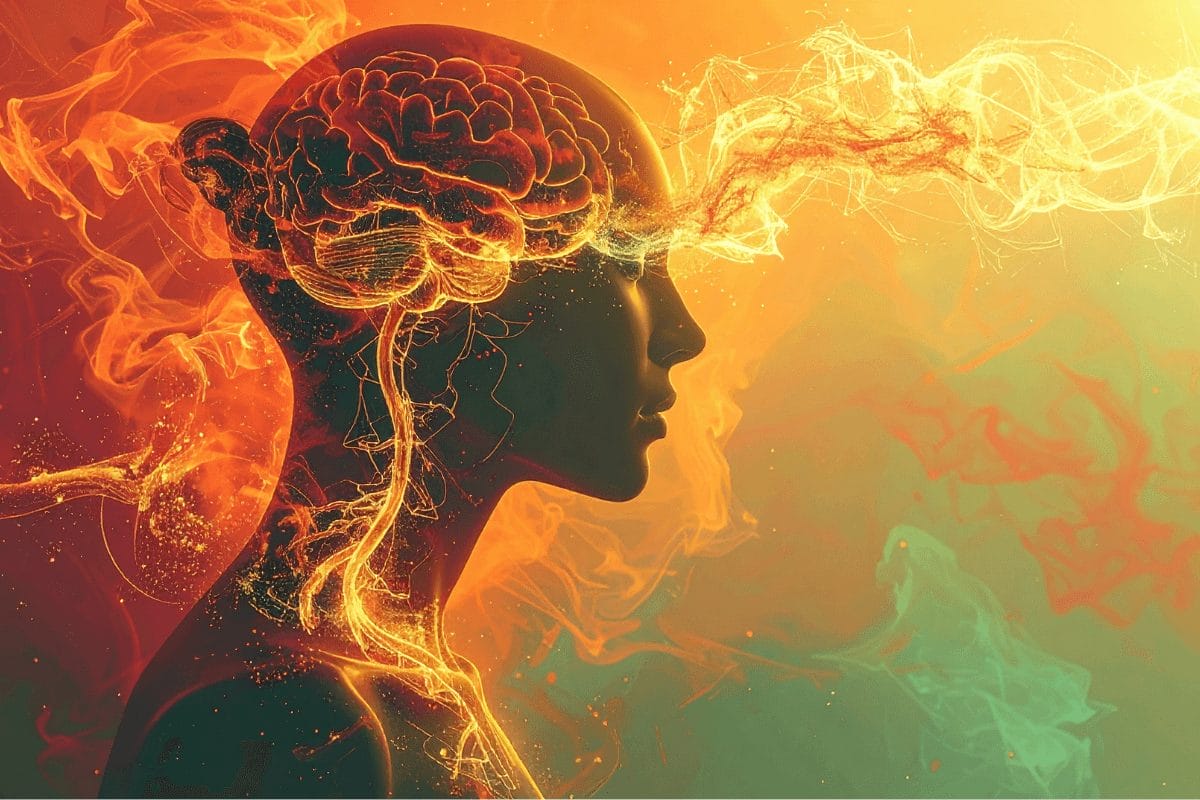
When the mind-body connection is strained, life can feel uncertain and directionless. Physical imbalance doesn’t stay confined to the body — it influences mood, perception, and decision-making. Fatigue breeds doubt. Chronic stress fuels anxiety. Inflammation narrows emotional resilience.
This is the “veil” many people experience — not a mystical barrier, but the physiological effects of imbalance shaping how we interpret our lives.
Modern research supports this interplay. Studies from the HeartMath Institute show that heart rhythm coherence influences brain function and emotional regulation. When the body enters states of calm or gratitude, clarity improves. When stress dominates, cognitive flexibility and inner guidance weaken.
In traditional systems of medicine, this clouding of perception has long been recognized. When digestion weakens and toxins accumulate, both physical and mental clarity decline. When nervous system stress remains unresolved, fear and self-doubt become louder than intuition.
This is why healing is not just recovery — it is recalibration. As the body stabilizes and the nervous system settles, emotional noise quiets. The veil lifts not through force, but through restoration. And as the mind-body connection strengthens, inner direction becomes easier to trust.
Emotional Healing and the Mind-Body Connection

Emotional healing is often misunderstood as something that happens only in the mind. In reality, it is a full-body process.
Every emotional experience triggers a physiological response. Stress increases cortisol. Fear elevates adrenaline. Grief alters sleep and appetite. Anger tightens muscles and shifts breathing patterns. These responses are protective in the short term — but when repeated over months or years, they shape the body’s baseline state.
The body adapts to what it experiences most often.
Chronic stress can recalibrate the nervous system toward hypervigilance. Long-term suppression of emotion can dull energy and motivation. Unprocessed experiences may manifest as digestive disruption, hormonal imbalance, chronic fatigue, or persistent inflammation.
This is the deeper expression of the mind-body connection: emotion is chemistry.
When emotional experiences are not processed, the physiological imprint remains active. Breathing becomes shallow. Muscles stay tense. Sleep becomes fragmented. Over time, clarity diminishes — not because someone lacks purpose, but because the system is overloaded.
Emotional healing involves restoring flexibility to the system.
It means building the capacity to experience emotion without becoming overwhelmed by it. It means strengthening digestion so the body can metabolize stress effectively. It means regulating blood sugar so that mood swings decrease. It means stabilizing sleep to improve cognitive resilience.
Emotional healing is not about eliminating difficult emotions. It is about increasing the body’s ability to process them.
As physiological resilience improves, emotional reactions soften. Decisions feel less reactive. Self-doubt loosens its grip. Perspective widens. The mind-body connection strengthens, and perception becomes more accurate rather than distorted by exhaustion or fear.
This is where deeper alignment begins.
When the body feels safe, emotional processing becomes smoother. When emotional processing becomes smoother, clarity returns. And when clarity returns, purpose no longer feels distant — it feels accessible.
Healing does not insert purpose into your life. It removes the physiological barriers that made it difficult to perceive.
In traditional energetic systems, this integration is reflected in the solar plexus chakra — the center associated with willpower, digestion, and direction. When digestion weakens and stress accumulates, confidence often diminishes alongside metabolic strength. When the body regains resilience, this center stabilizes, and clarity becomes easier to access. (You can explore this further in my article on solar plexus chakra healing.)
Measuring Progress: How to Know It’s Working
Improvement in the mind-body connection is rarely dramatic. It is subtle and cumulative.
Signs of progress include:
- More stable energy throughout the day
- Reduced emotional reactivity
- Clearer decision-making
- Fewer digestive symptoms
- Improved sleep quality
- Greater tolerance for stress
- Less urgency around finding “purpose.”
Perhaps most importantly, you feel less at war with yourself.
Clarity feels quieter, but steadier.
When your physiology is regulated, intuition becomes less reactive and more reliable. Emotional healing becomes less overwhelming and more integrated.
Progress is not measured by the absence of difficulty — it is measured by your capacity to move through it without losing yourself.
Practices That Strengthen the Mind-Body Connection

Healing the mind-body connection does not require extremes. It begins with consistent, supportive daily practices that restore clarity and resilience.
Nourishment as Medicine
Food directly influences energy, mood, and mental focus. Warming spices like ginger, turmeric, and cumin support digestion, while herbs such as tulsi help the body adapt to stress. Choosing whole, minimally processed foods and eating with presence supports both emotional stability and metabolic balance. When digestion improves, clarity often follows.
Daily Rhythm and Ritual
A simple daily structure regulates the nervous system and stabilizes energy levels. Morning hydration with warm lemon water, gentle oil massage, brief meditation, or quiet reflection prepares the body and mind for steadiness throughout the day. Consistency builds resilience.
Breathwork and Regulation
Your breath is one of the most immediate tools for restoring balance. Practices like alternate nostril breathing (Nadi Shodhana) calm the nervous system and support mental clarity. As stress patterns soften, emotional healing becomes more accessible, and perception becomes less reactive.
Reflection and Stillness
Journaling or quiet time reduces mental noise. When the body feels stable and the mind slows down, insight arises more naturally. The mind-body connection strengthens through moments of deliberate pause.
Herbal Support

Herbs can gently reinforce this process. Turmeric supports cognitive clarity, tulsi promotes resilience under stress, and ginger stimulates digestive fire. These small daily supports help restore balance where depletion once dominated.
My Blooming Heart™ Rose-Vanilla Powder combines heart-supportive botanicals with digestive herbs, and the Ashwagandha Cacao Latte blends adaptogens with Gotu Kola, traditionally valued for focus and awareness. These are not requirements, but supportive options for rebuilding steadiness while strengthening the mind-body connection.
Personal Insight: From Disconnection to Alignment

For much of my life, I felt disconnected — from myself, from clarity, and from direction. Early experiences shaped patterns of numbness and striving. Like many people, I tried to control what I could externally, believing achievement or appearance would create a sense of fulfillment.
But the body keeps score.
Beneath that striving was exhaustion, unresolved stress, and a nervous system that rarely felt settled. The more disconnected I felt physically, the more uncertain I felt internally. Purpose seemed distant — not because it wasn’t there, but because my mind-body connection was strained.
Healing did not arrive in a dramatic moment. It unfolded gradually — through restoring digestion, stabilizing energy, and learning to regulate stress. As my physical health improved, something unexpected happened: clarity returned. Decisions felt less reactive. Fear softened. Direction became quieter but steadier.
Through Ayurveda, functional nutrition, and tending to my inner fire, I began to understand that emotional healing and physical healing are not separate paths. As inflammation decreased and energy strengthened, my sense of alignment grew. What once felt like longing became grounded intention.
This is why I believe so deeply that finding purpose through health is not abstract. When the body stabilizes, perception shifts. And when perception shifts, soul guidance becomes easier to trust.
Healing did not create purpose — it removed what was obscuring it.
Awaken Clarity, Awaken Purpose

Healing is more than the absence of symptoms. It is the restoration of clarity, steadiness, and trust in your own perception.
When the mind-body connection is strong, emotional healing becomes more sustainable. Stress no longer dictates your decisions. Fatigue no longer clouds your direction. The body and mind begin to work together instead of against each other.
You do not need to be fully healed to live with purpose. Healing unfolds in layers. Growth continues. There will always be another refinement, another lesson, another opportunity to strengthen resilience.
The daily practices you commit to — nourishing food, regulated breath, restorative sleep, intentional rituals — become anchors. They stabilize your physiology and create space for insight to emerge naturally.
Soul guidance is not something you force. It becomes clearer when the body is supported, and the mind is steady.
This is the deeper truth of the mind-body connection: when health strengthens, clarity expands. And when clarity expands, purpose feels less like something to chase and more like something already within you — waiting to be heard.
Returning to Inner Alignment
The mind-body connection is not something you force into existence. It is something you restore.
When the body is nourished, rested, and regulated, emotional healing becomes less overwhelming. When emotional healing deepens, perception becomes clearer. And when perception becomes clearer, direction feels less like something to chase and more like something already present.
Soul guidance does not shout. It does not compete with stress or exhaustion. It becomes audible when the body is supported, and the nervous system is steady.
You do not have to wait until every symptom disappears or every wound is resolved. Healing unfolds in layers. Purpose unfolds in layers. Growth unfolds in layers.
Each nourishing meal, each regulated breath, each small act of self-respect strengthens the mind-body connection. And as that connection strengthens, alignment no longer feels abstract — it feels embodied.
Clarity becomes quieter, but stronger. Confidence becomes steadier, not louder. Direction becomes less urgent and more certain.
This is how healing reveals purpose.
Not by adding something new —
But by restoring what was always within you.