Balancing your health in today’s fast-paced world can feel overwhelming, especially when digestive discomfort, fatigue, or stress begin to surface. At the foundation of many of these concerns lies one essential principle: microbiome balance.
Your gut microbiome is not just a collection of bacteria, but a living ecosystem — an inner garden — that influences digestion, immunity, mood, metabolism, and even resilience under stress. When this ecosystem is diverse and balanced, the body functions with clarity and strength.
When it becomes disrupted, symptoms such as bloating, brain fog, fatigue, and inflammation can quietly take root. Understanding what disturbs this internal landscape — and how to restore it — is the first step toward rebuilding sustainable health.
Microbiome Balance: The Foundation of Gut Health
At its core, gut health reflects the diversity, stability, and function of your gut microbiome. Trillions of bacteria, fungi, and microbes live within your digestive tract, forming a complex ecosystem that constantly interacts with your immune system, metabolism, and nervous system. This internal environment behaves much like soil in a garden — its quality determines what thrives and what struggles.
When microbiome balance is optimal, beneficial bacteria flourish and help regulate inflammation, break down fiber, produce essential vitamins, and protect against opportunistic strains. This balance supports efficient digestion, steady energy production, and emotional resilience through the gut–brain axis.
When the ecosystem is disrupted — whether by antibiotics, chronic stress, ultra-processed foods, environmental toxins, or a lack of microbial diversity — harmful or less beneficial species can begin to dominate. This shift, often referred to as dysbiosis, can weaken the gut lining, impair nutrient absorption, and increase systemic inflammation.
Over time, this imbalance does not stay confined to digestion alone. It influences hormone regulation, immune response, mood stability, and metabolic function. The state of your microbiome becomes the terrain upon which overall health is built.
Restoring microbiome balance, therefore, is not simply about eliminating symptoms — it is about rebuilding the integrity of the ecosystem itself.
Signs of an Unhealthy Gut and Disrupted Microbiome Balance

Recognizing the early signs of an unhealthy gut can help you restore microbiome balance before more significant issues develop. Because the gut microbiome influences multiple systems in the body, imbalance rarely presents as a single isolated symptom. Instead, it often manifests as subtle yet persistent patterns.
Common signs include:
- Bloating, gas, or digestive discomfort after meals
- Irregular bowel movements or changes in stool consistency
- Chronic fatigue or brain fog
- Increased food sensitivities or intense cravings, particularly for sugar
- Skin concerns such as acne, eczema, or unexplained rashes
- Mood fluctuations, irritability, or difficulty sleeping
- Frequent infections or slower recovery from illness
These symptoms are not random. They reflect shifts in gut microbial diversity and inflammatory signaling.
When microbiome balance is disrupted, beneficial bacteria may decline while opportunistic strains increase. This can weaken the gut lining, alter immune communication, and affect neurotransmitter production. Because nearly seventy percent of the immune system resides in the gut, imbalance can also reduce resilience against environmental stressors.
Many people normalize these symptoms or treat them in isolation. However, when viewed through the lens of microbiome balance, they become valuable feedback. The body is signaling that the inner ecosystem requires attention and restoration.
Addressing these early indicators allows you to strengthen the terrain before more chronic patterns take hold.
Foods That Support Microbiome Balance
One of the most effective ways to restore microbiome balance is through daily nourishment. The gut microbiome responds directly to what you eat. Food is not simply fuel — it acts as information that shapes which microbes grow, diversify, or decline within your inner garden.
A diverse, fiber-rich diet provides the raw material that beneficial bacteria need to thrive. When microbial diversity increases, inflammation tends to decrease, digestion becomes more efficient, and immune regulation improves. Over time, these small, consistent dietary inputs reshape the gut’s terrain.
Key gut-supporting foods include:
• Fiber-rich vegetables and fruits — These act as prebiotics, feeding beneficial bacteria and encouraging microbial diversity. Variety matters more than perfection.
• Fermented foods such as sauerkraut, kimchi, yogurt, and kefir — These naturally introduce live microorganisms that help reinforce microbiome balance when tolerated.
• Legumes, nuts, and seeds — Rich in resistant starches and plant fibers that nourish beneficial species and support bowel regularity.
• Polyphenol-rich foods like berries, green tea, cacao, olive oil, and herbs — These compounds act as microbial modulators, encouraging the growth of protective strains while discouraging inflammatory ones.
Restoring microbiome balance does not require extreme restriction. In many cases, it requires expansion — increasing plant diversity, rotating foods seasonally, and prioritizing whole, minimally processed ingredients. Just as soil quality determines what grows in a garden, dietary quality determines which microbes dominate your internal ecosystem.
Even modest changes, applied consistently, can shift the balance toward resilience.
Prebiotics vs Probiotics: Understanding Their Role in Microbiome Balance
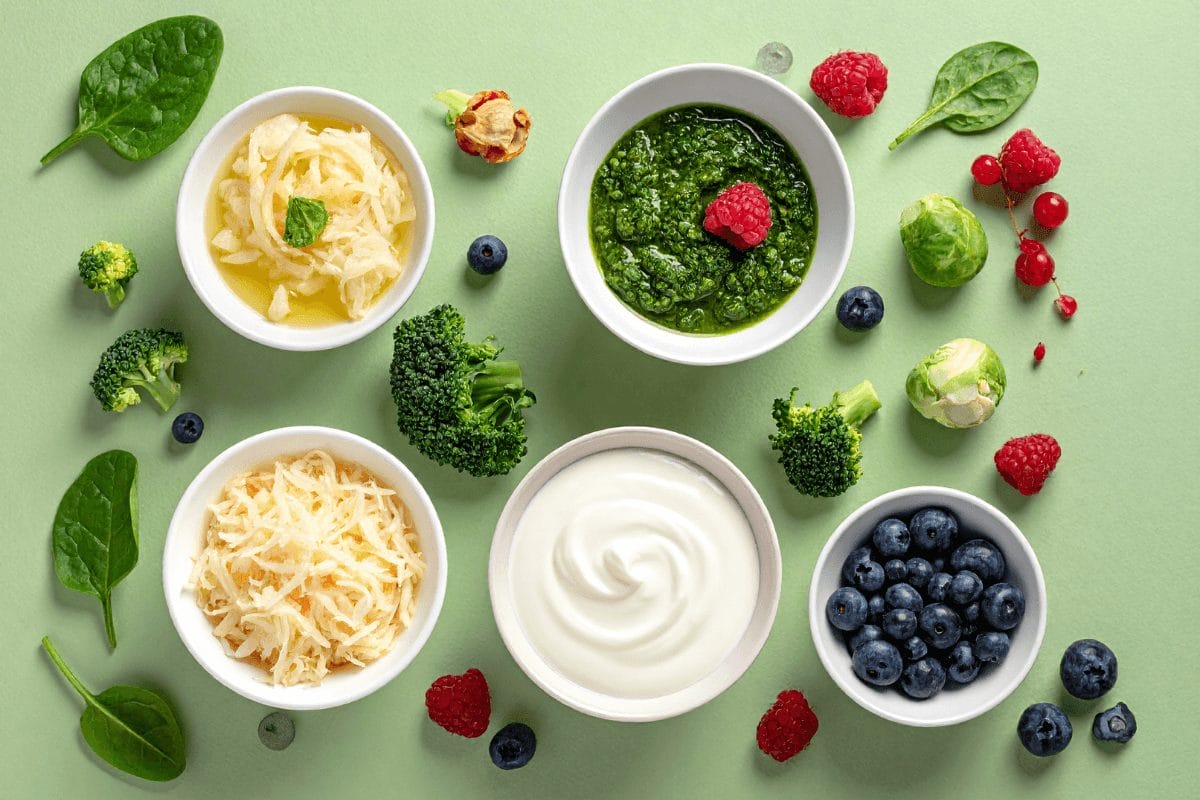
One of the most common questions in gut health is the distinction between prebiotics vs probiotics. While they are often discussed separately, they function best together — and both play an essential role in maintaining microbiome balance.
Probiotics are live microorganisms found in fermented foods and certain supplements. When introduced appropriately, they can help replenish beneficial strains and support microbial diversity, especially after disruptions such as antibiotic use or illness.
Prebiotics, on the other hand, are specific types of plant fibers that feed and nourish beneficial bacteria already living in the gut. Without adequate prebiotic intake, probiotic strains struggle to survive and integrate into the existing ecosystem.
An easy way to think about this within the Inner Garden framework is that probiotics are like introducing new seeds, while prebiotics improve the soil so those seeds can take root. If the soil remains depleted, adding seeds alone rarely creates lasting change.
For sustainable microbiome balance, the focus should be on building a supportive terrain first. This means increasing plant diversity, consuming fiber-rich whole foods, and reducing inflammatory inputs before relying heavily on supplementation.
In many cases, strengthening digestion and improving dietary diversity naturally enhances the effectiveness of both prebiotics and probiotics, allowing the ecosystem to stabilize over time.
The Gut–Brain Connection and Its Role in Emotional Health
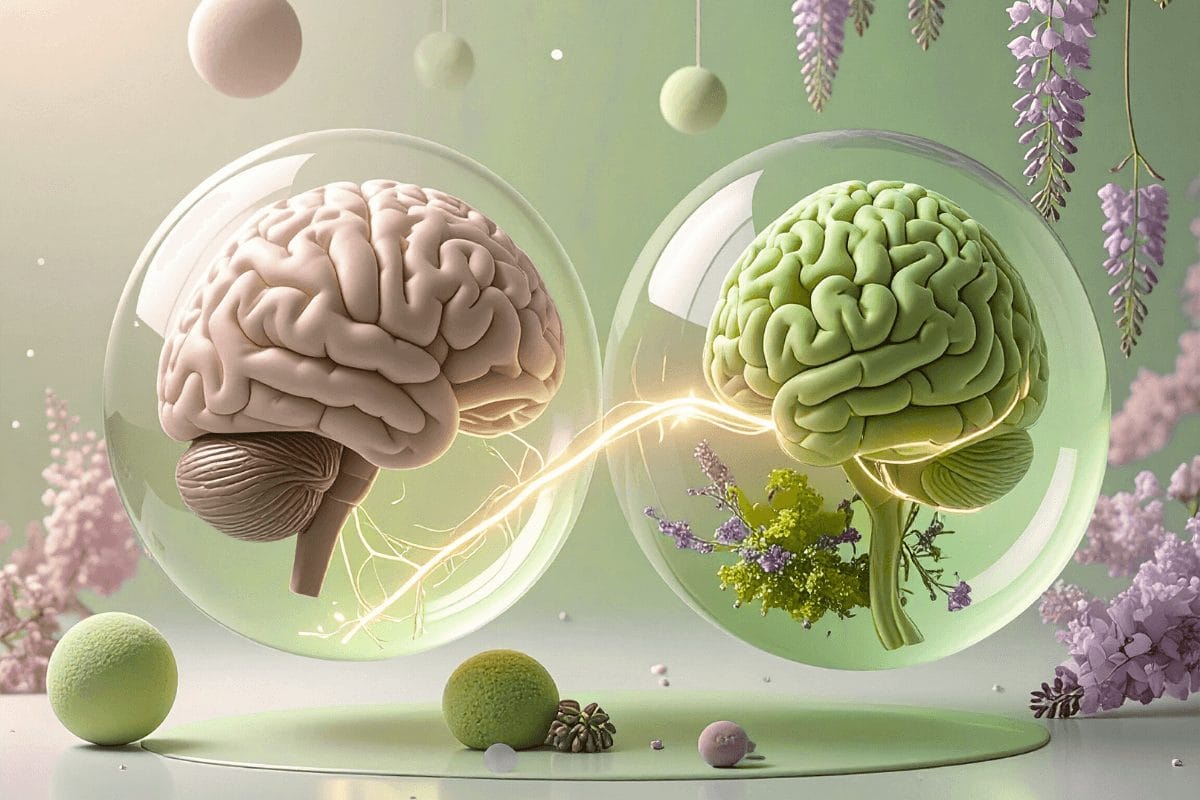
The relationship between the gut and the brain is not symbolic — it is physiological. The gut–brain connection refers to the bidirectional communication between the digestive system and the central nervous system through neural, hormonal, and immune pathways.
A large percentage of serotonin and other neurotransmitters are produced or regulated within the gut. The vagus nerve provides a direct communication pathway between the intestinal environment and the brain, influencing mood, stress response, and cognitive clarity.
When microbiome balance is disrupted, inflammatory signaling can increase, stress resilience may decline, and emotional regulation can become more challenging. Conversely, when microbial diversity improves and digestion stabilizes, many individuals notice improvements in mental clarity, steadier energy, and emotional resilience.
This is one of the clearest examples of how the inner garden influences the outer experience. Supporting microbiome balance is not only about digestion — it can influence how calm, focused, and resilient you feel in daily life.
Lifestyle practices such as mindful eating, stress regulation, breathwork, and adequate sleep further strengthen this gut–brain communication. When digestion and nervous system regulation work together, the effects extend beyond physical symptoms into mental clarity and overall vitality.
(Here you could internally link to your mind-body connection article naturally, for example: “You can explore this connection further in my article on the mind-body connection.”)
Functional Medicine Perspective on Microbiome Imbalance
From a functional medicine perspective, microbiome imbalance — often referred to as dysbiosis — occurs when the diversity and stability of gut microbes are disrupted. Rather than focusing only on symptoms, this lens looks upstream at the factors that alter the internal ecosystem.
Common drivers include repeated antibiotic use, chronic psychological stress, a diet high in refined sugar and ultra-processed foods, low fiber intake, environmental toxins, and unresolved infections. Over time, these inputs shift the microbial terrain, allowing opportunistic organisms to overgrow while beneficial strains decline.
When this imbalance persists, the protective barrier of the gut lining can weaken. This may increase intestinal permeability, amplify inflammatory signaling, and disrupt immune communication. Because the gut microbiome plays a central role in metabolism, detoxification, and hormone regulation, these shifts can influence far more than digestion alone.
Functional medicine approaches restoration through structured frameworks such as the 5R protocol: Remove, Replace, Reinoculate, Repair, and Rebalance. This method does not simply add probiotics; it systematically removes inflammatory triggers, supports digestive function, reintroduces beneficial microbes, repairs the gut lining, and restores long-term microbiome balance.
Importantly, dysbiosis can become self-perpetuating. Once diversity declines and inflammation increases, the microbial community may settle into a new, less resilient state. Rebuilding balance, therefore, requires consistency, not quick fixes. The goal is to restore ecological diversity and stability — much like rehabilitating depleted soil so that a thriving inner garden can reestablish itself.
A Structured Gut Healing Protocol to Restore Microbiome Balance

If you are ready to restore microbiome balance, a structured approach can help create clarity and direction. Healing the gut is not about eliminating every food or relying on a single supplement. It is about rebuilding the internal ecosystem methodically and sustainably.
A functional gut healing protocol often follows five foundational steps:
1. Remove
Begin by reducing inflammatory inputs that disrupt microbial diversity. This may include refined sugars, ultra-processed foods, excessive alcohol, and any known food sensitivities. Removing these stressors helps calm inflammation and prepares the terrain for repair.
2. Replace
Support digestive capacity by enhancing stomach acid, enzyme activity, and bile flow where needed. Herbal teas such as ginger or fennel, mindful chewing, and adequate hydration can improve the breakdown and absorption of nutrients. When digestion improves, the ecosystem becomes more stable.
3. Reinoculate
Introduce beneficial bacteria through fermented foods and, when appropriate, targeted probiotic supplementation. Equally important is increasing the intake of prebiotic-rich plant fibers to nourish existing microbial communities. Reinoculation without nourishment rarely creates lasting microbiome balance.
4. Repair
Strengthen the gut lining with nutrients such as zinc, L-glutamine, collagen, and omega-3 fatty acids, as needed. Restoring barrier integrity reduces inflammatory signaling and supports immune regulation.
5. Rebalance
Long-term microbiome balance depends on rhythm. Stress regulation, restorative sleep, consistent meal timing, and moderate movement all influence microbial diversity. This final step is less about intervention and more about lifestyle integration.
Viewed through the lens of the Inner Garden, this process resembles ecological restoration. First, remove what harms the soil. Then replenish nutrients. Introduce diversity. Strengthen the roots. Finally, maintain the environment so that it can balance itself naturally.
True gut healing is not immediate. It unfolds gradually as the terrain stabilizes. When approached with patience and consistency, this protocol helps rebuild resilience from the inside out, but it takes effort and time.
Traditional Perspectives on Microbiome Balance: Ayurveda and TCM

Long before the term “microbiome” existed, traditional systems of medicine recognized the importance of digestive integrity and internal balance.
In Ayurveda, gut imbalance is understood through the lens of Agni, the digestive fire that transforms food into nourishment. When Agni is strong, digestion is efficient, and the internal environment remains clear. When it weakens, partially digested material — referred to as Ama — accumulates, creating stagnation and inflammation. From a modern perspective, this mirrors the concept of microbial imbalance and toxic byproducts that disrupt microbiome balance.
Traditional Chinese Medicine (TCM) offers a parallel framework. The Spleen and Stomach system governs transformation and transportation — the process by which food becomes usable energy. When this system is weakened, dampness and stagnation develop, reflecting impaired digestion and reduced resilience. In contemporary terms, this can resemble dysbiosis and compromised gut function.
Both systems emphasize rhythm, warm and digestible foods, stress regulation, and seasonal alignment. While the language differs from that of functional medicine, the principle remains the same: a stable digestive environment supports systemic health.
When viewed together, modern microbiome research and traditional wisdom point toward the same conclusion — balance in the gut is foundational to balance in the body.
Practical Ways to Support Microbiome Balance Daily
While structured protocols are helpful, long-term microbiome balance is shaped by daily habits. Small, consistent inputs often influence the internal ecosystem more than short-term interventions.
Here are practical ways to strengthen your inner garden each day:
- Increase plant diversity. Aim for 25–30 different plant foods per week to encourage microbial diversity. Variety is more important than strict restriction.
- Include fermented foods regularly. Sauerkraut, kimchi, kefir, or yogurt can gently reinforce beneficial strains when tolerated.
- Prioritize fiber-rich whole foods. Legumes, seeds, leafy greens, and seasonal vegetables provide the prebiotic material microbes depend on.
- Chew thoroughly and eat calmly. Digestion begins in the mouth. Slowing down improves breakdown and reduces stress-related digestive disruption.
- Rotate foods seasonally. Seasonal variety supports microbial diversity and reduces repetitive inflammatory triggers.
- Minimize unnecessary antibiotics and ultra-processed foods. Both can significantly disrupt microbiome balance when used frequently.
These practices are not extreme. They are foundational. Over time, they stabilize the gut terrain and reduce the likelihood of recurrent imbalance.
Microbiome balance is rarely restored through intensity. It is restored through consistency.
Natural Ways to Improve Digestion
While microbiome balance depends heavily on food diversity and lifestyle rhythm, digestion itself remains foundational. If food is not properly broken down and absorbed, even the most nutrient-dense diet cannot fully support the inner ecosystem.
Simple daily practices can gently strengthen digestive capacity:
- Sip warm water with lemon in the morning. This supports hydration and stimulates digestive secretions after the overnight fast.
- Chew a small piece of fresh ginger before meals. In Ayurvedic tradition, ginger is used to kindle digestive fire and encourage efficient breakdown of food.
- Take a short walk after eating. Light movement supports motility and reduces post-meal stagnation.
- Practice diaphragmatic breathing. Slow, deep breathing activates the parasympathetic nervous system, improving digestive coordination and reducing stress-related gut tension.
These practices may appear simple, yet they create the physiological conditions necessary for microbiome balance. When digestion is steady, microbial diversity has a stronger foundation upon which to rebuild.
Gut Microbiome and Immunity
The gut is not solely a digestive organ; it is a central hub of immune regulation. Nearly 70% of the immune system resides in the gut-associated lymphoid tissue, where immune cells continuously interact with microbial communities.
Scientific literature continues to demonstrate how the gut microbiome shapes immune signaling, inflammatory balance, and host defense mechanisms, reinforcing the central role of microbiome balance in systemic resilience.
When the microbiome is in balance, beneficial microbes help regulate inflammatory signaling, strengthen the intestinal barrier, and train immune cells to distinguish between harmless substances and genuine threats. This reduces unnecessary immune reactivity while improving resilience against pathogens.
Conversely, when dysbiosis persists, inflammatory pathways can become amplified, increasing susceptibility to infections, food sensitivities, and chronic inflammatory conditions.
Supporting microbiome balance, therefore, extends beyond digestion. It strengthens immune intelligence, improves recovery, and contributes to long-term vitality. A resilient inner garden supports a resilient body.
Restoring Balance in Your Inner Garden
Microbiome balance is not achieved through a single food, supplement, or short-term cleanse. It reflects the cumulative effect of daily choices, environmental exposures, and digestive resilience.
When the internal ecosystem is supported by diverse nourishment, a steady rhythm, and a reduced inflammatory burden, the body recalibrates. Digestion improves. Immune responses stabilize. Energy becomes more consistent. Mental clarity often follows.
Your inner garden responds to care, not force.
Restoration takes patience. Diversity grows gradually. Stability develops through repetition. When you approach gut healing with consistency rather than urgency, microbiome balance becomes sustainable rather than temporary.
Health, in this context, is not about perfection. It is about cultivating an internal environment that fosters resilience.
And like any living ecosystem, what you nurture consistently is what ultimately flourishes.